

A 5% US Mortgage Rate Is Seen as Tipping Point to Unlock Supply
US homeowners are nearly twice as willing to sell if their mortgage rate is 5% or higher, but
2023-07-31 22:27
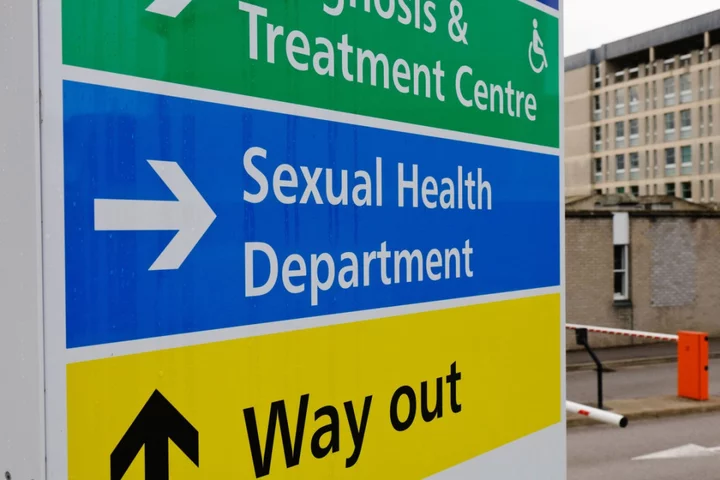
STI cases at record highs: 6 things everyone needs to know about sexually transmitted infections
Cases of gonorrhoea in England have reached record highs, while syphilis cases are at the highest level since just after the Second World War, according to the UK Health Security Agency (UKHSA). Gonorrhoea diagnoses rose to 82,592 in 2022, an increase of 50.3% compared to 2021, while infectious syphilis cases increased to 8,692 in 2022, the largest annual number since 1948. As well as gonorrhoea and syphilis, it’s important to be aware of the risk around all sexually transmitted infections (STIs) including chlamydia, genital herpes, genital warts and HIV. As Dr Hamish Mohammed, consultant epidemiologist at UKHSA, pointed out: “STIs aren’t just an inconvenience – they can have a major impact on your health and that of any sexual partners.” Here, sexual health experts talk through what you need to know about STI prevention, testing and treatment… 1. Anyone can potentially get an STI “Don’t think that because you haven’t caught one in the past – or because you only sleep with people that you don’t think have STIs – that you are immune, because the truth is that no one is,” Sarah Mulindwa, a specialist sexual health nurse who is working with Lovehoney, told PA Media. Regardless of gender, sexual orientation, whether you have lots of partners or you’re in a monogamous relationship, anyone can potentially get an STI. And they affect all age groups, too. “There’s no upper age limit on getting an STI,” Julie Bowring, consultant gynaecologist in sexual and reproductive health at London Gynaecology, added. The number of common STIs caught among the over 65s in the UK increased by 20% from 2017 to 2019, according to the Local Government Association. This may in part be due to differences in health awareness. “When that generation of patients were at school, they didn’t get quite as good and comprehensive sexual health education as we get now,” Bowring said. “And if you look at all the media campaigns for sexual health infections, it’s usually targeted at a younger demographic.” 2. Not all contraceptives protect against all STIs “It’s a common myth that when you’re on regular contraception, you might have protection against STIs,” said Bowring. “I think that can sometimes be missing in information that’s given to patients when they start contraception.” While birth control methods such as the pill, coil or IUD will protect against unintended pregnancy, they won’t protect against STIs. “Condoms [or dental dams] are the only effective method of protecting against STIs if you are sexually active,” said Mulindwa. “And even then, only when you use them correctly: wearing one to cover the whole length of the penis, and using from start to finish of sex, including during oral, anal, or vaginal penetration.” 3. Symptoms can vary greatly With a wide range of symptoms that vary in severity, STIs can sometimes be difficult to spot. “Certain STIs, such as chlamydia for example, might not even present any symptoms in the person that has it,” Mulindwa explained. “If you are experiencing any form of discomfort in and around your genitals, then it is imperative that you get tested right away.” Other signs may include an unusual discharge from the vagina, penis or anus; pain when peeing; lumps or skin growths around the genitals or anus; a rash; unusual vaginal bleeding; itchy genitals or anus; and blisters, sores or warts around these areas. “It can be quite difficult for women to sometimes know when a symptom might be STI related,” added Bowring. “It could be their periods, it could be something non-STI related. If there is a risk of infection and you have noticed a change in either your discharge or your pain, then it is worth getting checked out.” 4. Routine testing is a good idea Because some infections don’t result in any symptoms, routine testing is important. “If you’ve changed partner then it’s a good idea, if you haven’t had STI screening, to attend your local service to get that done,” Bowring advised. Home testing kits are also available with swabs and finger-prick blood tests. “It’s recommended that you screen at least every six months for the most common infections – chlamydia and gonorrhoea – and yearly for blood tests to screen for HIV, syphilis, and hepatitis C,” Mulindwa added. “Depending on your risk factors, you may need to screen more frequently.” 5. Treatments are available STIs are extremely common and there’s no need to feel embarrassed or ashamed if you do catch one, and treatments are available. “The majority of STIs are curable, and even those that aren’t – for example, herpes – have treatments available to manage outbreaks,” said Mulindwa. “Some STIs like chlamydia are treatable with a course of antibiotics, and others require creams and ointments.” 6. Options for people with HIV have come a long way Thanks to scientific breakthroughs, providing they have access to treatment, most people with HIV will not develop any AIDS-related illnesses and can live full lives. “There are now options available that can stop HIV reproducing in the body and prevent you from passing it on, as well as drugs designed to prevent infection if you have been exposed,” said Mulindwa. “People who are HIV positive and are undetectable (which means the level of the virus is very low) are unable to pass it on even when they have unprotected sex.” A relatively new drug called Pre-Exposure Prophylaxis (PrEP) – designed to reduce the chance of contracting HIV – can be helpful for people who may be at increased risk. Health professionals at NHS sexual health clinics can talk you through the options for preventing and managing HIV. Read More Charity boss speaks out over ‘traumatic’ encounter with royal aide Ukraine war’s heaviest fight rages in east - follow live What’s wrong with my roses? Men’s Health Week: How to talk about sensitive or ’embarrassing’ health issues Prince William responds after three guardsman collapse during UK heatwave
2023-06-12 16:46

Free bleeding: Latest TikTok trend is all about menstruation. Here's how to do it safely
A viral trend called 'free bleeding' discourages the use of period products
2023-05-18 11:20

Liz Weston: You’ll probably live longer than you think
Longevity literacy is crucial in planning for your retirement, so you don’t run out of money or keep yourself on a needlessly skimpy budget
2023-06-12 21:29

Corsair Xeneon 27QHD240 OLED Review
After experimenting with the Xeneon Flex, a head-scratching, bendable curve-it-yourself monitor, Corsair makes a return
2023-05-19 08:56

Threads backtracks flagging right-wing users for spreading disinformation
If you regularly spread "false information" online, Threads already knows. The platform apparently flagged those
2023-07-08 03:53
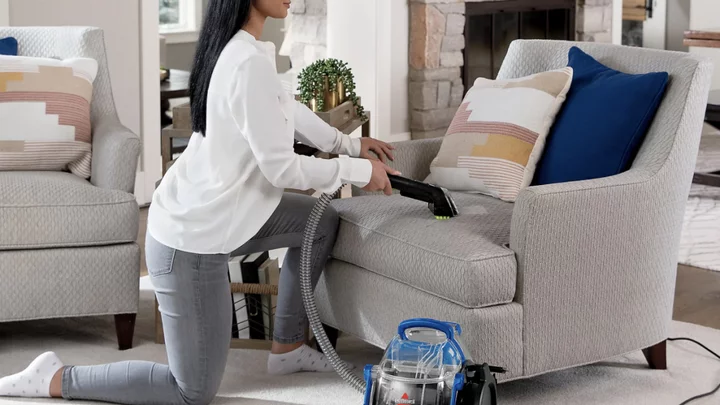
Bissell's Memorial Day sale gets you up to 20% off your favorite cleaning supplies
SAVE 20%: As of May 26, Bissell is having a sitewide Memorial Day sale, with
2023-05-26 22:45

NASA rover makes adventurous trip, then snaps stunning Mars picture
It was a long slog. But NASA's Curiosity rover did it. The space agency's car-sized
2023-10-07 18:52

Chrome 117 Will Explain Why Your Favorite Extension Disappeared
Google is going to "proactively highlight" when a Chrome extension you have installed is no
2023-08-17 18:19
How to do gel nails at home like a pro
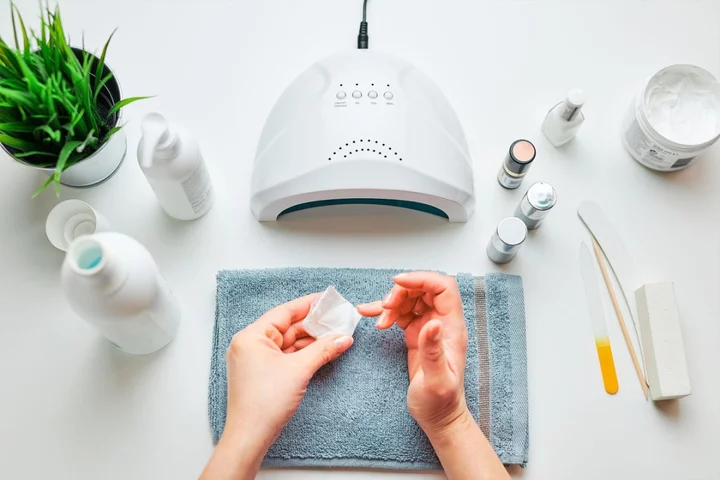
While looking for ways to cut spending on luxuries, consumers have embraced DIY beauty during the cost-of-living crisis. A Currys survey of beauty search terms found that ‘how to do gel nails at home’ was the most in-demand pampering technique with nearly 180,000 searches a year, ahead of fake tanning (101,280) and acrylic nails (85,320). With UV lamps costing around £50 and polishes from top brands like Essie, OPI and Shellac around £10 each, doing your own gel mani is cheaper in the long-run than paying upwards of £20 for every salon visit. But can you replicate a nail technician’s precision and ensure a long-lasting finish? We asked nail pros for their tips on how to master a gel manicure at home… Prep your nails “Good natural nail prep before applying gel polish can be the difference between a polish that lasts weeks and a polish that is likely to chip and peel prematurely,” says manicurist Tinu Bello, senior brand ambassador for Mylee. Start by gently pushing back your cuticles (use cuticle remover gel if they’re very dry or hard) then clipping off the excess. Bello explains: “Cuticles are dead pieces of skin that attach to the nail plate at the base of the nail. Once removed, you will find that gel polish adheres to the nail much more smoothly.” Buff away shine “After shaping your nails in your desired shape, your nail plate should be lightly etched using a soft buffer file,” says Julita Fagan, manicurist and nail expert for 14 Day Manicure. “This helps to remove the natural shine or oils from your nails, assisting in product adhesion.” Avoid moisture With a regular manicure, the technician might soak your fingertips to soften the cuticles, but with gel polish you want to keep your nails dry. “It’s important to avoid using water on the nails or any products that contain moisture or oil prior to applying gel polish, such as hand soap or moisturiser,” says Bello. “Fingernails quickly absorb water and expand, meaning nails that have been painted post-soak will contract once dry and cause polish to chip.” Apply a primer Gel products and kits vary so you must follow the instructions carefully, but if you can use a primer your polish is likely to last longer. “Applying a nail primer before your base coat will act as a bonding element between your natural nails and the product,” says Fagan. “This is particularly useful if you continuously experience chipping or lifting of your gel polish.” Paint precisely When applying polish it’s crucial to only paint the nail, not the cuticle. “A trick in ensuring a seamless polish application is to leave the tiniest gap between your cuticles and the first one or two layers of your gel polish, getting as close as possible to your cuticles on your last layer,” says Fagan. “This will ensure a less bulky finish at the end of your application.” She also recommends ‘capping’ the polish by applying the top coat over the tip of the nail to seal in the colour. Try builder gel As an additional defence against chipping, add a layer of extra-strength builder gel to your mani, which comes in clear or a range of colours. “Builder gel is a stronger consistency than the standard gel polish,” explains Fagan. “Using it at the end of your gel polish application, prior to top coat, will provide even more longevity to your manicure.” 14 Day Manicure Bestseller Gel Polish Starter Kit, £79 (was £164.80) Mylee Pro Salon Series Convex LED Lamp Black, £50 Rio Salon Pro Rechargeable UV and LED Lamp, £50, Argos
2023-06-02 14:57
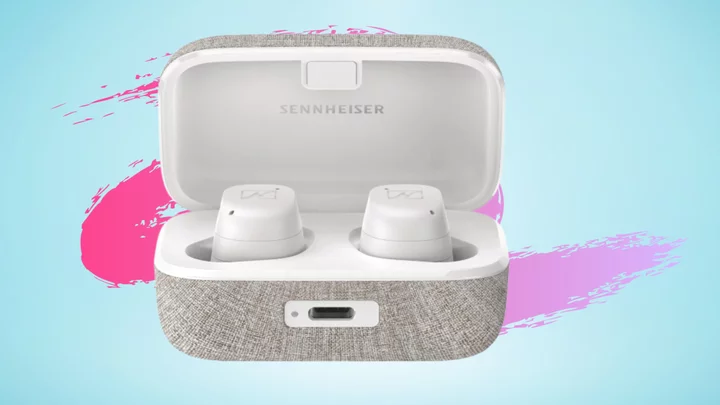
Sennheiser Momentum earbuds are 46% off at Amazon if you hurry
Save $130: As of August 17, the Sennheiser Momentum True Wireless 3 earbuds are on
2023-08-17 22:50

Arcadia Biosciences (RKDA) Launches GoodWheat™ into the Breakfast Category with New Better-For-You Pancake & Waffle Mixes and Single-Serve Quikcakes™
DAVIS, Calif.--(BUSINESS WIRE)--Jul 17, 2023--
2023-07-17 20:23
You Might Like...

Michel Roux Jr announces closure of renowned restaurant Le Gavroche to have ‘better work/life balance’

EV buyers will get up to $7,500 in instant rebates next year — here's how to qualify

Best Buy 3-Day Sale: $500 Off Acer Gaming Laptop, Save on Pixel 7a, More

LVMH, EasyJet Face a Darkening Economy: EMEA Earnings Week Ahead

Why one popular shoe brand is lowering prices in the face of inflation

Taylor Swift Tour Movie Sets Record for Concert Film Debut

Potential Starlink Rival to Beam Internet Service Using High-Altitude Planes

Think they've seen it all? Holiday gift ideas for the movie lover who wants more