

Alexee Trevizo: Teen, 19, spotted cheerleading with huge baby bump three weeks before dumping son in hospital trash can
In the video, Alexee Trevizo can be seen walking slowly across the court, and repeatedly pulling her shirt down
2023-06-27 05:17

Snag an Instant Pot Pro 10-in-1 Pressure Cooker for 24% off, plus more Instant Brands deals ahead of Prime Day
Rejoice — it's the peak of summer, which means we'd all rather be spending time
2023-07-08 00:16
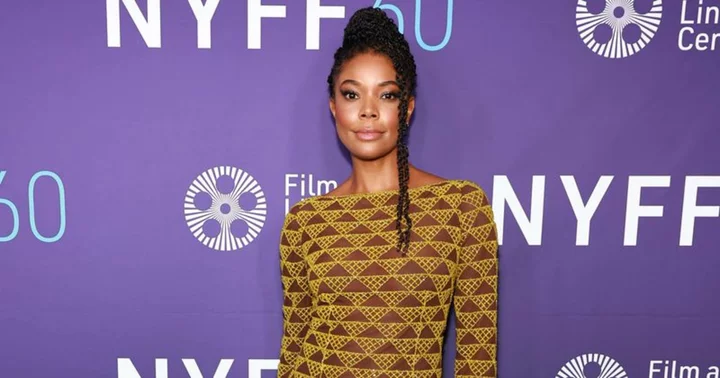
Gabrielle Union talks about getting bodyshamed for wearing swimsuit: 'I might just wear a bikini in the casket'
'Sometimes, the more that you validate your damn self, the more people are like, ‘Yeah, mhmm. Yep!’ said Gabrielle Union on self image
2023-07-11 01:48
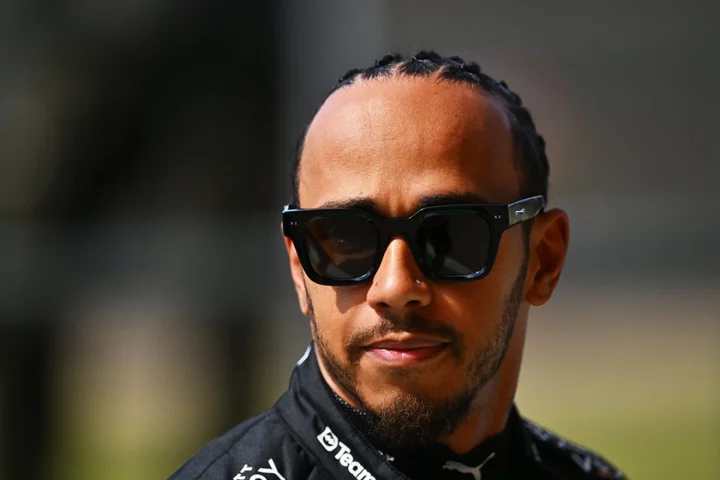
F1 British Grand Prix LIVE: Race build-up and updates at Silverstone
Max Verstappen dented Lando Norris’ dream of a shock pole position at the British Grand Prix by taking top spot in the closing seconds of a dramatic qualifying session. Norris surged to the summit of the order to the delight of the Silverstone crowd, only to see Verstappen snatch pole by 0.241 seconds as the last driver over the line. F1 grid: Starting positions for the British Grand Prix Norris starts alongside Verstappen, who took his fifth consecutive pole, with Oscar Piastri third on an excellent day for McLaren at the British team’s home race. Lewis Hamilton could manage only seventh, one place behind George Russell in the other Mercedes. Read More Max Verstappen pips Lando Norris to pole position at British Grand Prix F1 grid: Starting positions for British Grand Prix Jackie Stewart suffers stroke and falls ‘unconscious’ in frightening health scare
2023-07-09 16:24

Save 90% on a lifetime subscription to this password manager
TL;DR: As August 28, get a Sticky Password Premium Lifetime Subscription for just $19.97 —
2023-08-28 17:56
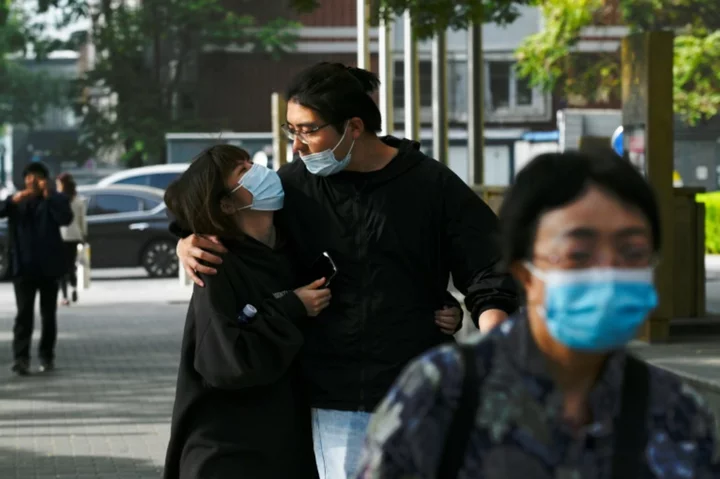
Northern China chokes under severe pollution
Tens of millions of people across northern China were under severe pollution warnings Tuesday, with authorities urging them to reduce outdoor activities as a...
2023-10-31 15:22
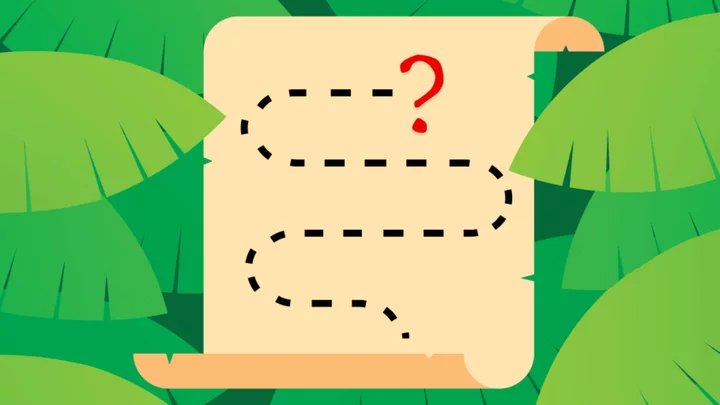
10 Explorers Who Vanished Without a Trace
From a record-breaking mountain climber to a British adventurer who may have died searching for a city that doesn’t exist and beyond, these explorers have fates that are shrouded in mystery.
2023-05-30 00:18
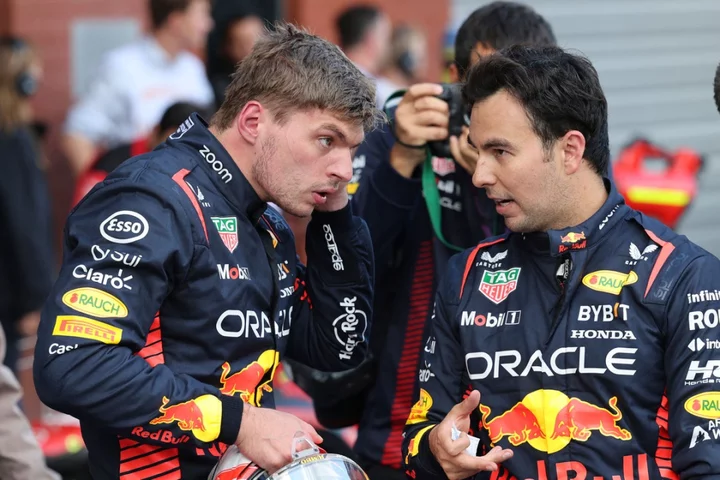
Max Verstappen fastest for Belgian GP despite X-rated row with race engineer
Max Verstappen took pole position for the Belgian Grand Prix despite an X-rated radio row with his race engineer. Verstappen was embroiled in a squabble with Gianpiero Lambiase after he only just made it through to Q3 during a wet-dry session at Spa-Francorchamps. But the championship leader regained his composure at the business end of qualifying to demolish the opposition, finishing eight tenths clear of Ferrari’s Charles Leclerc with Sergio Perez third in the other Red Bull. Lewis Hamilton qualified fourth. However, Verstappen will only start Sunday’s race from sixth position as he serves a five-place grid drop for exceeding his gearbox allocation. Verstappen made it into the final phase by the skin of his teeth in 10th place and then vented his anger at his long-serving engineer. Verstappen accused his team of “s*** execution”, claiming he should have pushed harder on an earlier lap after the field switched from wet to dry rubber. “I don’t give a f*** that we are P10, mate”, he yelled over the radio. Lambiase snapped back: “OK, and then when the track was two seconds quicker for your final lap and you didn’t have any energy left, how would that have gone down?” A surly Lambiase added: “But you tell me what you want to do in Q3 and we’ll do it. Tyre sets, fuel, run plan.” But after taking pole, Verstappen, 110 points clear at the standings and on a run of seven-consecutive wins in his all-conquering Red Bull machine, said over the radio: “Sorry to GP for being such on the rant.” Lambiase replied: “Slowly getting used to it, Max.” Hamilton secured pole a week ago in Hungary, but he is facing an investigation from the stewards after he ran off the circuit at Eau Rouge before re-joining in front of team-mate George Russell in Q2. Russell was forced to slow down to avoid making contact with the sister Mercedes. Race control noted the incident before confirming they would investigate. It was an underwhelming afternoon for the Silver Arrows with Hamilton nine tenths slower than Verstappen, and Russell ever further back in eighth, 0.8sec adrift of his team-mate. Lando Norris finished seventh, a spot behind Oscar Piastri in the other McLaren. Daniel Ricciardo qualified a commendable 13th on his return a week ago, but the Australia will line up from the penultimate spot on the grid on Sunday. Ricciardo temporarily hauled his AlphaTauri through to Q2 only to see his lap time deleted for exceeding track limits. “F***, I am sorry,” said Ricciardo when informed of the bad news. “I just lost it through Turn 3. I am sorry.” Read More Charity boss speaks out over ‘traumatic’ encounter with royal aide Ukraine war’s heaviest fight rages in east - follow live How Max Verstappen and record-breaking Red Bull compare to Formula One greats I held my breath – Lewis Hamilton enjoys ‘extraordinary’ run to pole in Budapest Max Verstappen gives hope to rivals after coming 11th in Hungarian GP practice
2023-07-29 01:17
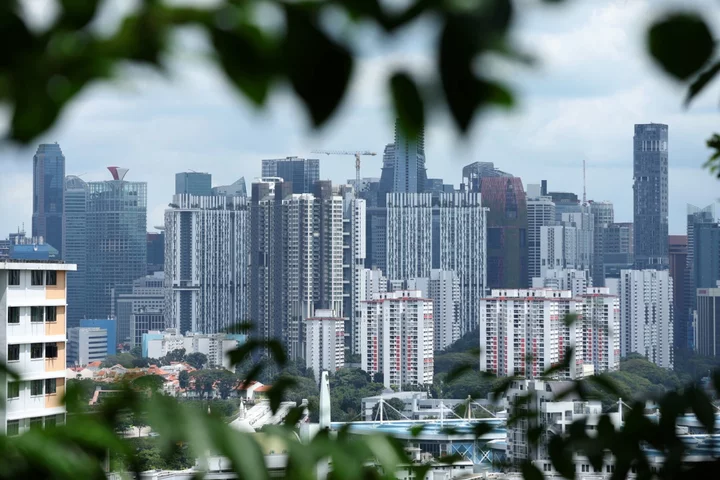
Accused Money Launderer Funded Singapore Luxury Condominiums
A Turkish national arrested in Singapore’s S$1.8 billion ($1.3 billion) money laundering case had financed the purchase of
2023-09-06 13:50
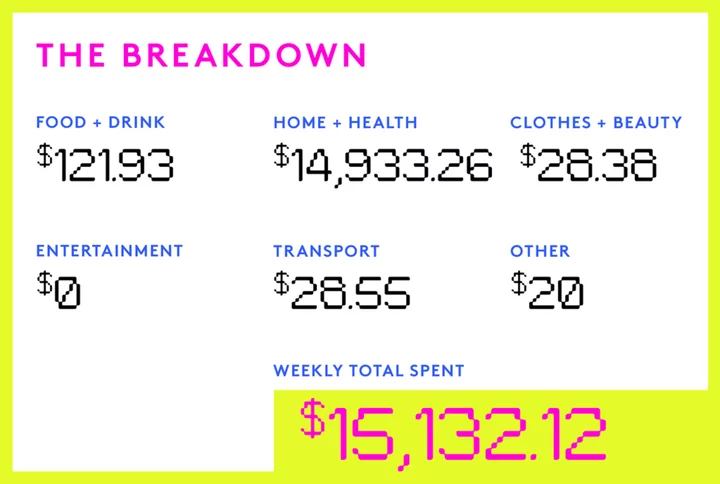
A Week In East Tennessee On An $89,000 Salary
Welcome to Money Diaries where we are tackling the ever-present taboo that is money. We’re asking real people how they spend their hard-earned money during a seven-day period — and we’re tracking every last dollar.
2023-06-02 23:49
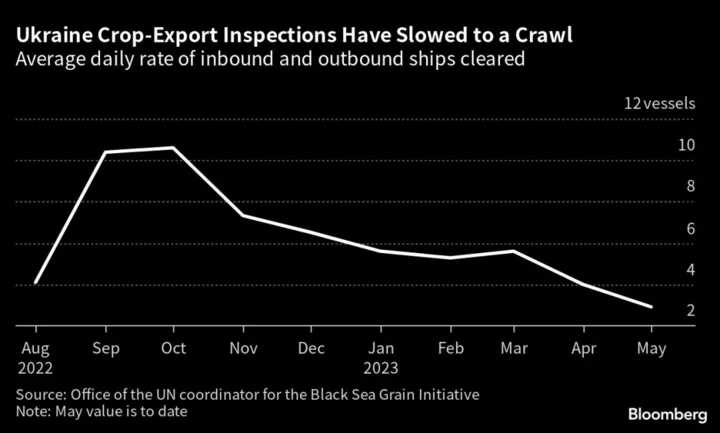
Ukraine Crop Shipments Slow to a Crawl Before Critical Talks
Ukraine’s crop shipments are being throttled, even before the latest negotiations over extending an export deal that’s provided
2023-05-10 16:50
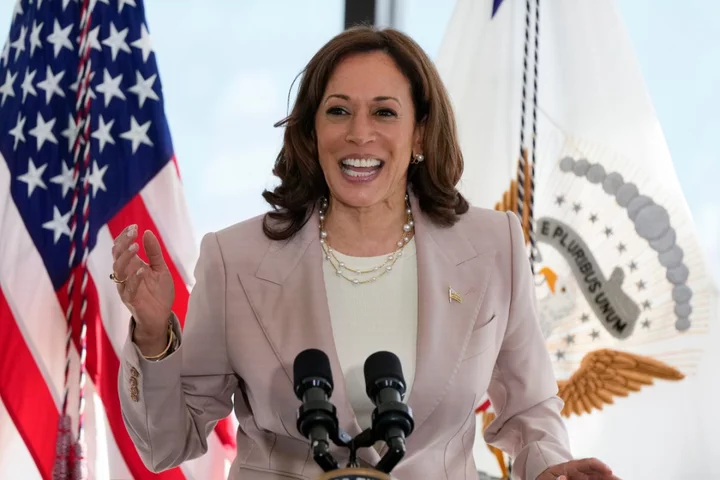
Kamala Harris says goddaughter’s friends are choosing college towns on abortion legalisation
Vice President Kamala Harris has said she knows of young people choosing which college they want to attend based on how restrictive the abortion laws are in that state. Commenting in an interview for the Roe v Wade retrospective on MSNBC’s The ReidOut, Ms Harris said her goddaughter told her that her friends wanted to attend schools in states where there was more freedom in terms of reproductive rights. Ms Harris told the roundtable: “When the decision came down she told me ‘Do you know what’s happening? My friends – whatever gender – are starting to make decisions about where they will actually go to college depending on what’s happening in that state.’” “Because of course, if you look at it, I think the number is something like 23 million women of reproductive age live in states that have banned abortion, and what that is gonna mean for those 23 million, for the myriad of health care issues that are at stake ... It’s having a real impact on all types of decisions people make,” she added. The show took a look back at the decision to overturn the landmark Roe v Wade decision that legalised abortion in the US in 1973 when the Supreme Court ruled that “unduly restrictive state regulation of abortion is unconstitutional”. In 2022, the Supreme Court, packed with three Trump-era appointees, overturned Roe v Wade and returned decisions on abortion freedom to the states. Since then, a number of states have introduced effective abortion bans that limit the procedure to the very early days of pregnancy – often before women are aware they are pregnant. Some states have also criminalised assisting women with accessing abortion, and limited abortion to cases of rape or incest. Ms Harris said that the Supreme Court’s decision last year had infringed on women’s rights. “The idea that the highest court in our land just did that and rolled back rights that had been recognized was incredibly shocking,” she said on MSNBC. She said that after she learned the news of the ruling, she called her husband and shared some “words not meant for television at this moment”. Ms Harris went on to say that the ruling means that some have to “suffer in silence,” the thought of which made her “angry and sad”. Read More Where abortion laws stand in every state a year after the Supreme Court overturned Roe A year after fall of Roe, 25 million women live in states with abortion bans or tighter restrictions Judge to weigh suspending Wyoming's first-in-the-nation ban on abortion pills US prepares for potential end of Roe v Wade - live When will there be a Roe v Wade decision? Why these prosecutors are refusing to enforce anti-abortion laws
2023-06-22 23:58
You Might Like...

Nintendo Embraces Passwordless Sign-Ins With Passkey Support
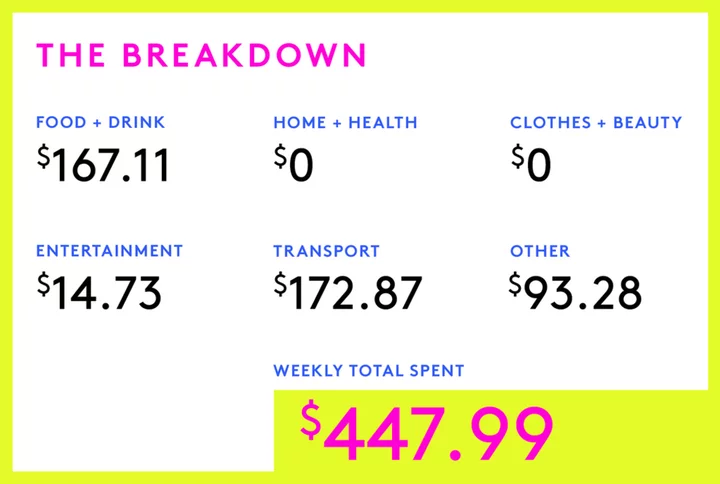
A Week In Washington, D.C., On A $64,000 Salary

What Is Matter? The Smart Home Standard, Explained
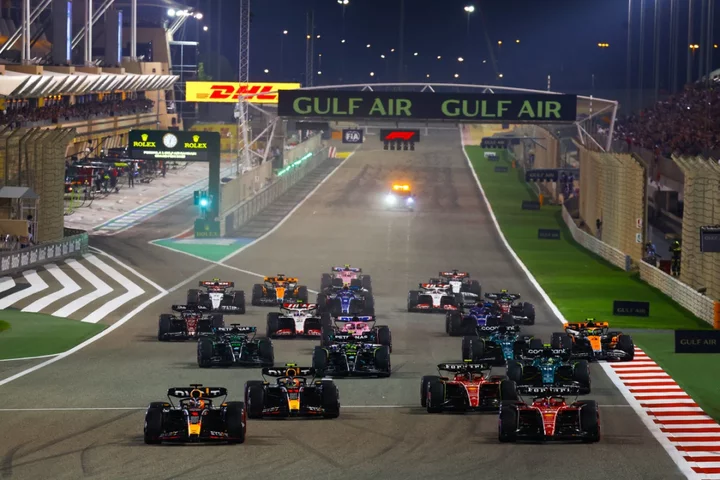
F1 release 2024 calendar with radical change to start of the season
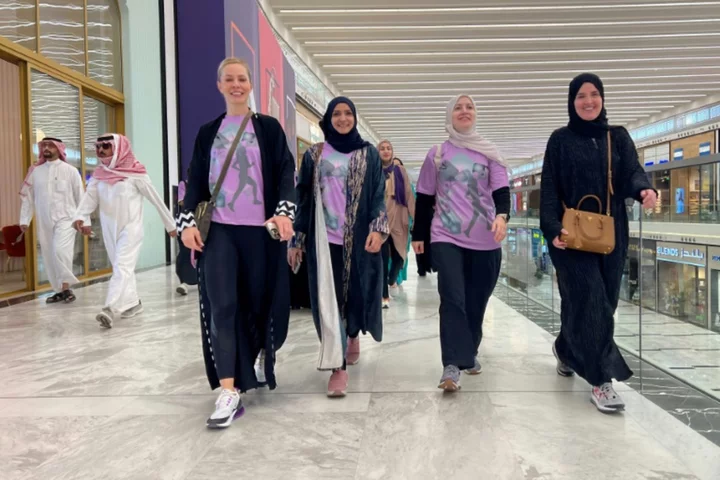
'Too hot outside': Saudis take to walking, jogging in malls

18 Products That Made Queer R29 Editors Say “Wow, We’re Gay!”
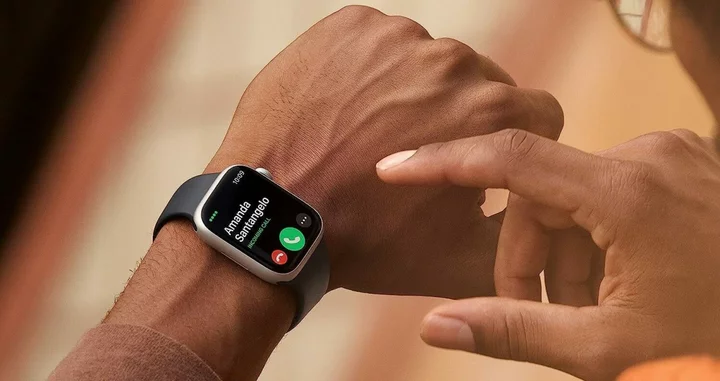
Best Buy has the Apple Watch Series 8 at its lowest price ever
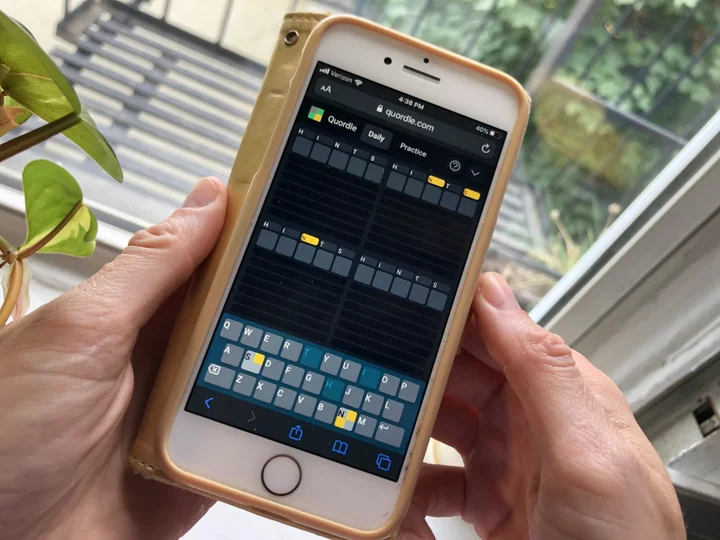
'Quordle' today: Here are the answers and hints for August 13, 2023