
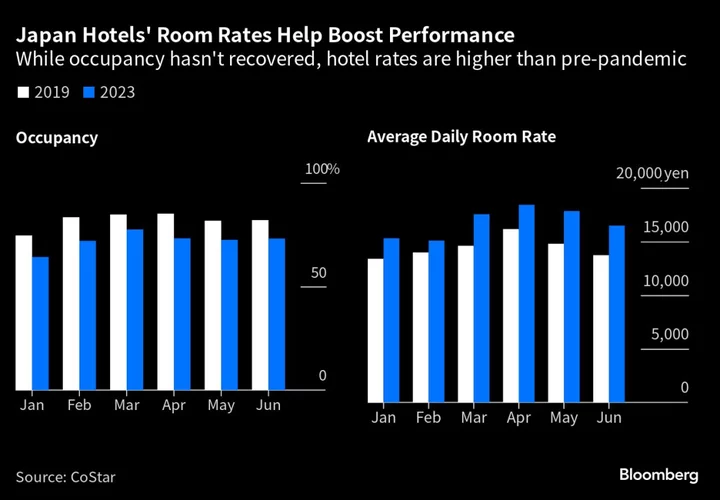
Global Investors Pour Billions Into Japan Hotels on Tourism Jump
A tourism boom in Japan, bolstered by the return of Chinese visitors, and the highest level of inflation
2023-08-23 08:26

Not just @x: Elon Musk also took @xAI from its original user for his AI company
Elon Musk's Twitter is now X. The rebrand, which was made official on Monday, has
2023-07-27 23:45

Wyndham Rejects Choice Hotels’ $9.8 Billion Takeover Bid
Wyndham Hotels & Resorts Inc. called Choice Hotels International Inc.’s takeover offer “underwhelming,” rejecting a proposal that would
2023-10-18 00:49

Scientists find more evidence that a Mediterranean lifestyle helps you live longer
Scientists have found more evidence to suggest that leading a Mediterranean lifestyle could be key to living a longer and healthier life. People who follow a Med lifestyle – including making time for socialising; resting; physical activity and eating a diet rich in fruits, vegetables, and whole grains with low sugar and salt intake – are less likely to die prematurely or die from cancer. And those who get plenty of rest, exercise and make time to socialise with friends are less likely to die as a result of a heart attack or stroke. The new study examined data on 110,799 adults taking part in the UK Biobank study. People aged 45 to 70 from England, Wales and Scotland provided detailed information about their diet and lifestyle habits. The researchers, led by academics from La Universidad Autonoma de Madrid in Spain and Harvard TH Chan School of Public Health in the US, examined information ON Mediterranean food consumption; Mediterranean dietary habits – such as limiting salt and consuming healthy drinks – and lifestyle habits including taking regular naps, exercising, and spending time with friends. Higher total scores in these categories indicated a higher adherence to the Mediterranean lifestyle, the authors said. People involved in the study were tracked for nine years. Some 4,247 people died including 2,401 from cancer and 731 from cardiovascular disease, which includes heart attacks and strokes. Researchers found that people who followed a Mediterranean lifestyle were 29% less likely to die compared to their peers who did not follow this lifestyle. They were also 28% less likely to die from cancer, according to the study, which has been published in the journal Mayo Clinic Proceedings. And people who got plenty of rest and exercise, while also making time to socialise with friends, were also less likely to die from cardiovascular disease. “This study suggests that it’s possible for non-Mediterranean populations to adopt the Mediterranean diet using locally available products and to adopt the overall Mediterranean lifestyle within their own cultural contexts,” said lead author Mercedes Sotos Prieto, from La Universidad Autonoma de Madrid and Harvard Chan School. “We’re seeing the transferability of the lifestyle and its positive effects on health.” Read More Meghan’s got one. Gwynnie, too. But should YOU get a stress-busting wrist patch? How parents can support their children on GCSE and A-level results day A-Level results: How to be the emotional support your teen really needs 11 ways to work the terracotta trend A-Level results: How to be the emotional support your teen really needs These are the cheapest school uniforms on the high street – according to Which?
2023-08-17 16:27
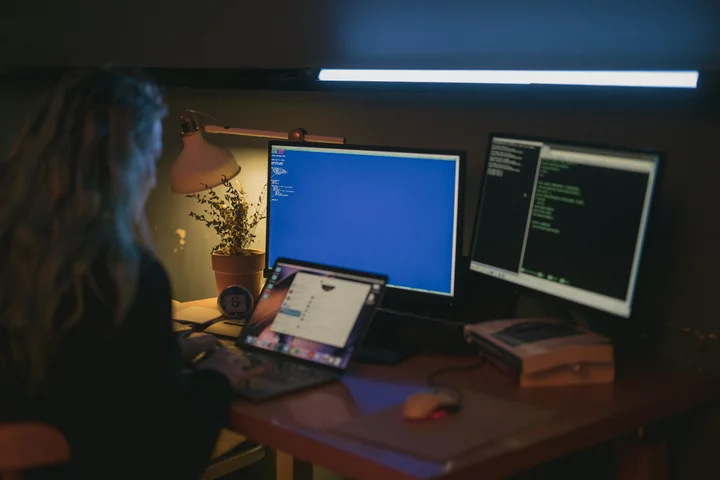
Learn all about cybersecurity with this class bundle, now under $80
TL;DR: As of July 22, get the Complete 2023 Cybersecurity Developer & IT Skills Bundle
2023-07-22 18:28

Tilray to Buy Eight Beverage Brands for $85 Million From AB InBev
Tilray Brands Inc. shares jumped the most since February 2021 after the cannabis and consumer packaged goods company
2023-08-09 02:28
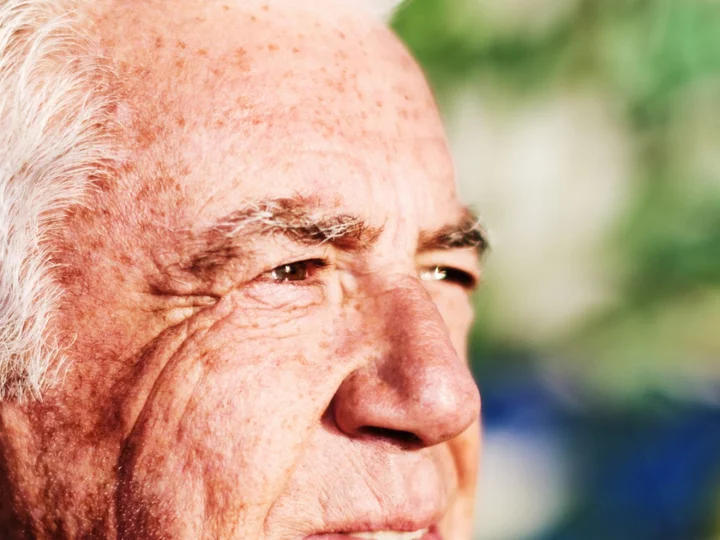
‘Suddenly, I saw Dad again’: The radical technology helping those living with dementia
There is a scene in the 2020 film The Father, starring Anthony Hopkins and Olivia Colman, that is all too familiar for people caring for someone with dementia. In it, Hopkins’ character Anthony struggles to keep up with his daughter Anne’s (Colman) movements. One moment, she is bringing home dinner. The next, she is talking about moving to Paris with a boyfriend he doesn’t like. She’s in his flat. Suddenly, he’s in her flat. Her face shifts – she looks like someone he used to know, then a total stranger. Where is he? When is he? Dementia is a cruel sickness that radiates outwards, seeping into the lives of anyone in its orbit. Patients become lost in a maze of memories. The present day becomes too slippery to hold on to, so many retreat into themselves. Wayfinding – meaning the ability to find one’s way in the world – becomes severely impaired, resulting in anxiety, confusion, and distress that can be very difficult for families and carers to cope with. There is no cure for dementia, and most medical research is focused on finding treatments for diseases that cause dementia, such as Alzheimer’s disease and dementia with Lewy bodies. It’s extremely important work, but there’s also a need for tools that can help those living with dementia as well as their families and carers. As research shows that visual cues can help deliver much-needed aid and relief, a number of small creative companies are stepping in to fill in the gap. Sarah Harrison is the founder of Recognii, the world’s first entertainment DVD made especially for people with moderate to later-stage dementia. The idea for Recognii came about after Harrison began taking care of her father when he was diagnosed with Alzheimer’s in 2015. She and her mother, a former nurse, opted to care for him in their family home in Harrogate, where Sarah also resides. “As the condition progressed, he became very withdrawn,” she recalls. “He couldn’t watch TV or engage himself in his own activities, couldn’t really have a conversation, couldn’t read books anymore because he couldn’t follow the plot.” But amid all the gloom cast by the disease, there’d be breakthrough moments when Sarah saw her father as she always knew him. These moments often came when he watched children’s TV, as the faces of smiling, happy children and brightly coloured graphics grabbed his attention. “It was great, but it was also too childish and didn’t reflect his life,” Sarah says. “I thought, surely there must be something out there that is more simplistic viewing that does reflect adult experiences – but there was absolutely nothing.” An idea began to form. Sarah thought that if she could create engaging short clips of “gentle, joyful stuff” with no storylines, it would bring him some relief from the fog in his mind. “He responded to very bright colours and contrasts, and two-dimensional images, which reflected what we know about the way dementia impacts cognitive and visual processing.” Changes in visual perception occur when the sensory journey between the brain and organs (such as the eyes and ears) gets interrupted, or slows down due to dementia. According to Alzheimer’s UK, the disease can also lead to damage to the eyes or parts of the brain, which can then lead to misperceptions, misidentifications, hallucinations, delusions and time-shifting. Like Anthony’s experience in The Father, time becomes an amorphous thing, which jumps back and forth instead of moving in a linear fashion. As such, older memories can become safer places for dementia patients to revisit. I noticed the iPad gathering dust. She said it wasn’t easy for her to use and she missed getting letters and postcards like she did in the past Famileo, a company that creates “family newspapers” for elderly people – many with dementia – works with families of patients to create personalised hard-copy newspapers that utilise “reminiscence therapy” to help soothe and comfort. “Typically, people with dementia are more likely to remember long-term memories,” explains Tanguy De Gelis, a co-founder of the company. “Famileo includes old photographs of themselves and the family, which stimulates their memory and helps them remember people as they were.” Each photograph included in the newspapers is accompanied by text that helps provide context, so that the reader can easily identify who they’re looking at, as well as their own place in the family in relation to the people in the picture. “Managers and activity coordinators at care homes often tell us that a person’s dementia journey is not linear, that symptoms come and go,” De Gelis continues. “The consistency and reliability of these personalised newspapers allows it to be appreciated even more on the ‘good days’ patients have. It can be very hard for family members to think of things to talk about with an older relative, but the newspaper can be a conversation starter and provide a visual guide for both sides.” Having a physical newspaper is also a boon for many elderly people who struggle with smartphones, tablets and laptops. For De Gelis, it was his grandmother who inspired the idea for Famileo. “I bought my grandma an iPad as a Christmas present so she could keep in touch with the family through our WhatsApp group,” he recalls. “But one day I went to visit her and I noticed the iPad gathering dust. She said it wasn’t easy for her to use and she missed getting letters and postcards like she did in the past.” The slow pace in developing tools for coping with dementia is down to a lack of understanding about the disease, says Dr Emilia Molimpakis, CEO and co-founder of Thymia. For years, patients languished in care homes, their minds deteriorating as families watched on helplessly. “Unfortunately, up until recently, pinpointing clear signs of Alzheimer’s disease relied on invasive and/or expensive medical tests and these often don’t show clear results until the disease has progressed substantially.” But recent developments in medical treatments and in the field of artificial intelligence (AI) have shifted things. Dr Molimpakis’ platform involves building AI-powered tools to improve the speed, accuracy and objectivity of dementia diagnoses. Thymia also uses video game-style activities to test for symptoms of cognitive disorders, she says, such as major depression, anxiety and dementia. “Each game is built around one or more cognitive tests, the results of which show tell-tale signs of symptoms, such as fatigue issues, memory impairment, concentration difficulties and more,” she explains. It does so by using software that analyses “biomarkers” of disease while players complete the activities across three key data streams: voice, video and behavioural measures. By analysing how someone speaks or what facial micro-expressions they make, Thymia’s work-in-progress models have identified symptoms in major depressive disorders with more than 90 per cent accuracy, Dr Molimpakis says. Major improvements in healthcare mean that people are living longer – but in a cruel twist of fate, this means that dementia is becoming ever more prevalent. There are currently more than 55 million people living with dementia globally, and according to Alzheimer’s Disease International, this figure is expected to balloon to 78 million in 2030 and 139 million in 2050. While scientists are working on earlier diagnosis and treatment, the need for coping mechanisms for living with the disease is growing. Harrison remembers how her father would react when she showed him the clips she created. He passed away before the final version of Recognii’s DVD could be launched. “It’s like the clouds would part, just for a few seconds,” she recalls. “Suddenly, I saw Dad again. The moments when you get a glimpse of who they used to be are so precious, because as the disease progresses, you do feel like you are losing them. So having made something that helps bring them back, even temporarily – it’s like a gift.” Read More A One Direction fan claimed she had a brain tumour. Five years after her death, we still need answers ‘Death acceptance brings peace’: Are death doulas the cure for our fear of the end? ‘You always feel like you’ve done something wrong’: Why UK surrogacy laws need a ‘real overhaul’ Jason Manford comforted by fans after announcing death of family member Grandmother praised for refusing to babysit daughter’s newborn for free 7 tips and tricks for hay fever relief
2023-05-22 14:22
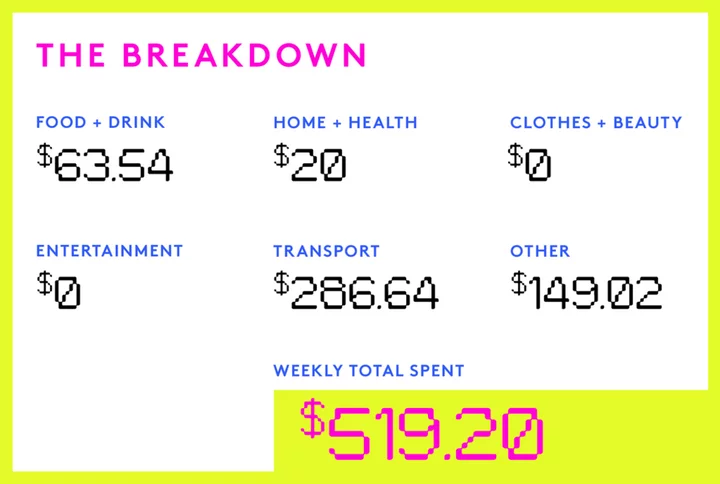
A Week In Boston, MA, On A $61,642 Salary
Welcome to Money Diaries where we are tackling the ever-present taboo that is money. We’re asking real people how they spend their hard-earned money during a seven-day period — and we’re tracking every last dollar.
2023-05-24 23:19
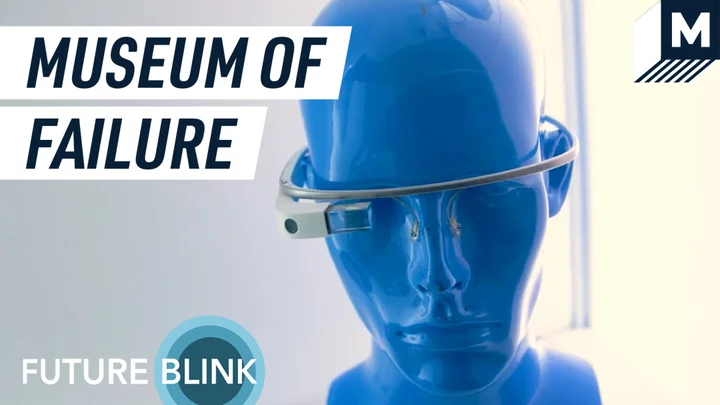
The Museum of Failure is a celebration of failed ideas
Great lessons can be learned from mistakes. Visit this museum to learn from others' failures.
2023-05-12 04:21

This is the lesser-known symptom of Alzheimer’s that could affect drivers
As revealed by TV presenter Fiona Phillips this week, anxiety and brain fog could be symptoms of Alzheimer’s disease – but people are being warned of another lesser-known symptom that could affect drivers the most. It comes after the former breakfast TV host, 62, spoke publicly for the first time about her Alzheimer’s disease diagnosis, which she received 18 months ago. Phillips, who is currently taking part in a drug trial that is hoped could revolutionise treatment for the illness, said she wishes to end the stigma surrounding Alzheimer’s. According to the Alzheimer’s Association, one of the symptoms that could be related to the onset of the disease is trouble understanding visual images and spatial relationships. It said: “For some people, having vision problems is a sign of Alzheimer’s. This may lead to difficulty with balance or trouble reading. “They may also have problems judging distance and determining colour or contrast, causing issues with driving.” This is not the same as having vision problems or changes related to cataracts, which is a typical age-related change. Other early signs and symptoms highlighted by the organisation include memory loss that disrupts everyday activities, such as forgetting information that one only recently learned; experiencing challenges in planning or solving problems; having difficulty taking tasks that are usually familiar; and losing track of dates, seasons or the passage of time. People living with Alzheimer’s may also develop new problems with words in speaking or writing, and may have trouble following or joining a conversation. Misplacing objects and losing the ability to go over their steps to find something is also a common sign of early disease, as is poorer judgement and withdrawal from work or social activities. Phillips said she began to realise something was wrong when she developed “crippling anxiety” towards the end of 2021 and initially thought it was related to menopause. She was put on HRT to treat menopause symptoms, which led to some improvement, however, Phillips’ “brain fog remained”, her husband Martin Frizell said. After months of cognitive tests and a lumbar puncture to asses spinal fluid, Phillips was diagnosed with Alzheimer’s disease. She told The Mirror: “This disease has ravaged my family and now it has come for me. And all over the country there are people of all different ages whose lives are being affected by it – it’s heartbreaking. “I just hope I can help find a cure which might make things better for others in the future.” She is taking part in a medical trial at University College Hospital (UCH) for a drug called Miridesap, which is administered three times a day with tiny needles. Scientists hope the drug can slow or even reverse the disease. Phillips added: “There is still an issue with this disease that the public thinks of old people, bending over a stick, talking to themselves. “But I’m still here, getting out and about, meeting friends for coffee, going for dinner with Martin and walking every day.” In 2022, dementia and Alzheimer’s were named by the Office for National Statistics as the leading cause of death in the UK. Last year, they accounted for 65,967 deaths, up from 61,250 the year before. Read More The Barbie press tour has finally rescued Margot Robbie’s red carpet reputation Woman exits plane after tirade about passenger who is ‘not real’: ‘Final Destination vibes’ Fans mistake Jennifer Garner and Ben Affleck’s daughter Violet, 17, for her mother in new photos
2023-07-06 16:24

US Supreme Court backs website designer who refused to serve same-sex couple
The US Supreme Court ruled Friday that some private businesses can refuse service to same-sex couples for religious reasons, in a...
2023-06-30 22:55

Author finds AI books falsely written under her name for sale on Amazon
An author has discovered half a dozen AI-generated books, falsely using her name. Writer Jane
2023-08-09 23:26
You Might Like...
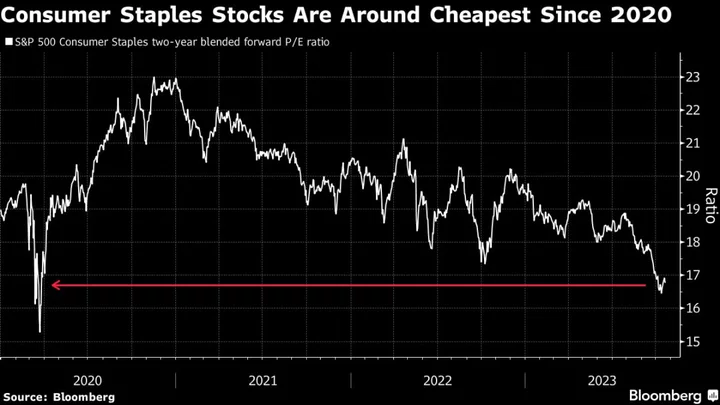
Ozempic Fear in Food and Drink Stocks Has ‘Gone Overboard,’ RBC Says

The Netflix password sharing crackdown is here. Check your inbox.
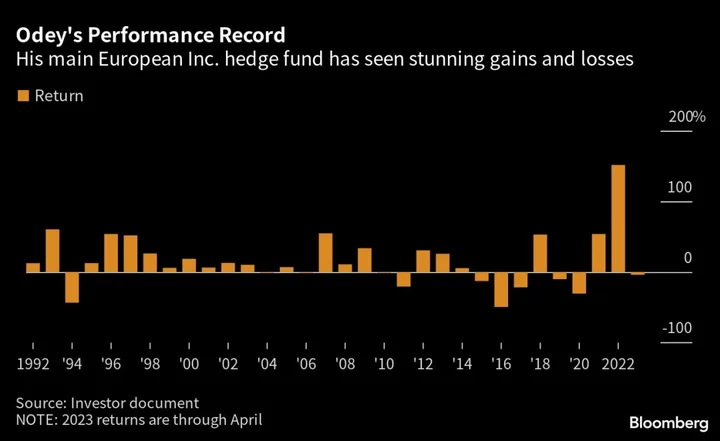
Crispin Odey’s £561 Million Fortune Mostly Trapped Out of Reach
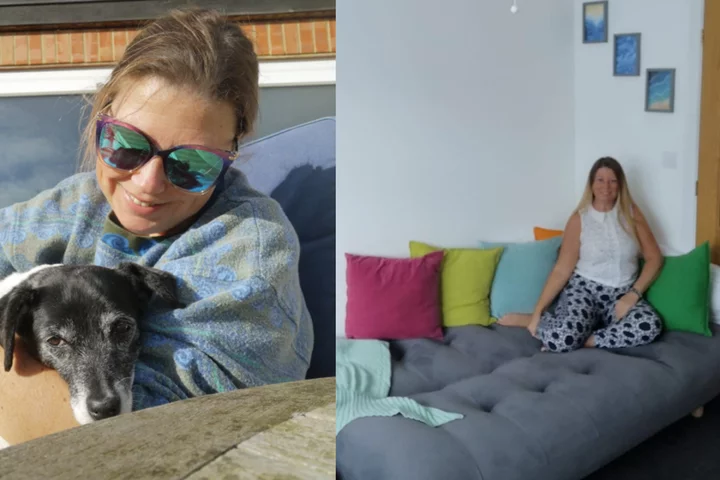
Meet the former therapist making a living as a professional cuddler

King of the Big Stomach: Chinese eatery in trouble over dumpling-eating race

Get lifetime access to Luminar Neo for under £100

Target will square off against Amazon Prime Day with a new Circle Week sale in July

Score Black Friday Savings on Thousands of Unique Documentaries From Curiosity Stream, Now $170