
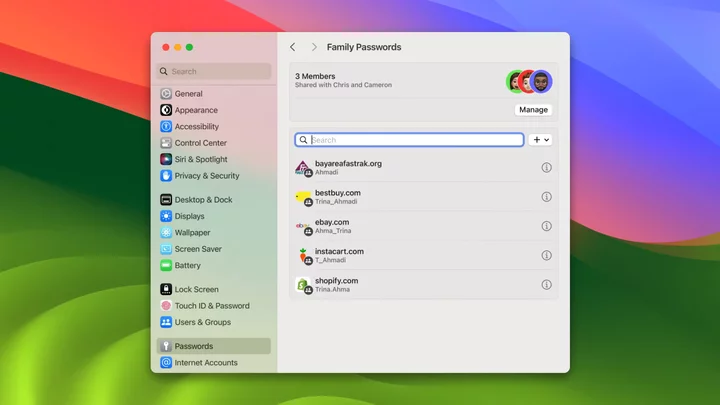
MacOS Sonoma: How to share your Netflix password with trusted people
The macOS Sonoma update officially rolled out to the masses on Sept. 26, and one
2023-09-30 03:28

Marin Ireland reveals the diva on 'Birth/Rebirth's set
A female-fronted spin on Frankenstein, Birth/Rebirth is a double-hander horror offering that stars Marin Ireland
2023-08-15 17:53

Hate Meetings? Google Meet Is Testing AI That Can Take Notes, Attend for You
In the post-pandemic workplace, virtual meetings are unavoidable and plentiful. If you're frequently double-booked (or
2023-08-30 00:52

Malta govt backs down on abortion bill after protests
VALLETTA Malta's government on Friday backed down on a bill which would have allowed the abortion of pregnancies
2023-06-23 19:53
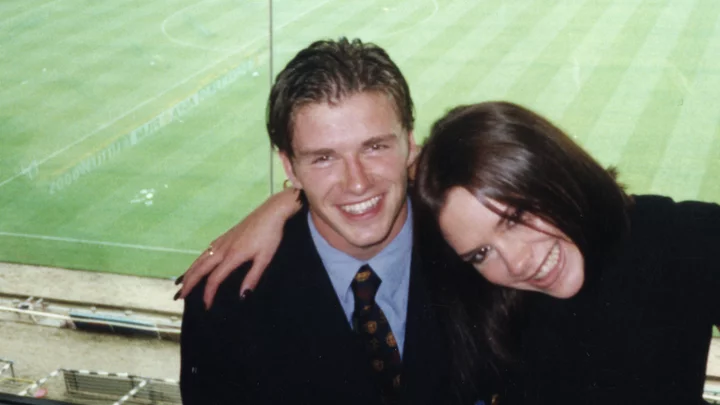
TikTokkers put their partners to 'The Beckham Test'
David Beckham doesn't just score goals — he and his wife Victoria are relationship goals.
2023-11-01 02:21

India Needs Major Reforms in Food Supply Management, Says RBI
India needs to adopt a sound policy on how to store perishables to shield the economy from repeated
2023-08-18 13:26

Biden to host Jennifer Hudson, Wu-Tang's Method Man at Juneteenth concert
By Andrea Shalal WASHINGTON (Reuters) -President Joe Biden will host the White House's first big Juneteenth celebration, a concert featuring
2023-06-14 06:22

DeSantis asks that judge be disqualified from Disney's free speech lawsuit
Gov. Ron DeSantis is asking that a federal judge be disqualified from the First Amendment lawsuit filed by Disney against the Florida governor and his appointees
2023-05-21 00:29
Scientists believe they have found a cure for alcoholism
Alcohol addiction ruins millions of lives every year, but scientists may have found a cure for this terrible affliction. A new treatment for alcohol use disorder (AUD) has been trialled in monkeys with impressive results and, if these translate to human trials, the impact could be monumental. A team of neuroscientists and physiologists from across the US tested a new type of gene therapy to see if they could directly target the underlying brain circuitry associated with sustained heavy drinking. As they noted, in the journal Nature Medicine, people suffering from AUD commonly return to alcohol use even if they attempt to quit. This is largely to do with what’s known as mesolimbic dopamine (DA) signalling – meaning how the central nervous system circuit communicates the feelgood neurotransmitter dopamine. A protein called glial-derived neurotrophic factor (GDNF) is key to keeping these neurons in this reward circuitry functioning. However, experts have found that levels of GDNF are reduced in people with AUD during periods of alcohol abstinence, most notably in a region of the brain called the ventral tegmental area (VTA), as IFLScience notes. Therefore, the researchers decided to test whether using gene therapy to deliver more GDNF to the VTA could help reinforce this crucial dopaminergic signalling and prevent patients from suffering an alcoholic relapse. The team of scientists explained how alcohol consumption in non-addicts prompts the release of dopamine, creating a pleasurable buzz feeling, but chronic alcohol use causes the brain to adapt and stop releasing so much dopamine. “So when people are addicted to alcohol, they don’t really feel more pleasure in drinking,” Dr Kathleen Grant, a senior co-author of the study, said in a statement. “It seems that they’re drinking more because they feel a need to maintain an intoxicated state.” For their research, Dr Grant and her colleagues used eight rhesus macaque monkeys, who were exposed to increasing concentrations of alcohol over four 30-day “induction” periods. The monkeys then had free access to alcohol and water for 21 hours a day for six months, during which they developed heavy drinking behaviours. This was then followed by a 12-week abstinence phase, with the GDNF treatment performed four weeks in for half of the subjects. The gene therapy was delivered using a a viral vector containing a copy of the human GDNF gene injected directly into the primate’s VTA, according to IFLScience. And the results were truly jaw-dropping. “Drinking went down to almost zero,” Dr Grant said. “For months on end, these animals would choose to drink water and just avoid drinking alcohol altogether. They decreased their drinking to the point that it was so low we didn’t record a blood-alcohol level.” The most exciting aspect of their findings is the suggestion that gene therapy could offer a permanent solution for people with the most severe cases of AUD. This will be a welcome glimmer of hope to many, given that some 29.5 million people were diagnosed with AUD in the US alone in 2021, according to the National Institute on Alcohol Abuse and Alcoholism. Of these 29.5 million sufferers, almost a million (894,000) were aged between 12 and 17. It’ll likely be some time before we know for sure whether the gene therapy can be rolled out in humans, but it’s an important first step in tackling this devastating disorder. Sign up for our free Indy100 weekly newsletter Have your say in our news democracy. Click the upvote icon at the top of the page to help raise this article through the indy100 rankings.
2023-09-01 20:57
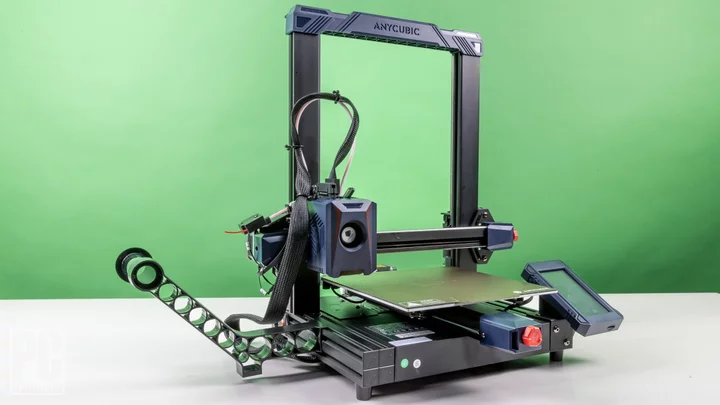
Anycubic Kobra 2 Review
As with many hobbies, getting into 3D printing can be intimidating, costly, and time-consuming. But
2023-06-23 01:15
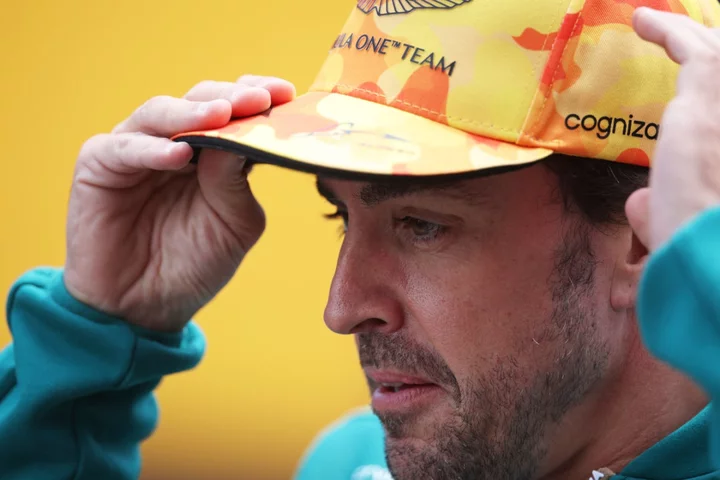
Fernando Alonso eyes statement home victory, a decade on from his last triumph
How different did 2013 really look in the life of Fernando Alonso? Driving a competitive car, buoyed by thousands of Spanish supporters, the two-time Formula 1 world champion looked – in eagerness bordering on desperation – to haul in the championship lead of a Red Bull driver out in front. Sound familiar? A decade on, the tune of the day feels decidedly identical. Yet plenty has happened in the 10 years in-between. Alonso has loved, left, and fallen back in love with the sport. Red Bull’s champion-of-the-day back then, Sebastian Vettel, would wrap up the 2013 world title, the last of four crowns. By the end of last year the German, six years younger than Alonso no less, retired and vacated an Aston Martin seat swallowed up by the Spaniard. Now Red Bull’s de facto No 1 is Max Verstappen, who incredibly 10 years ago at 15 years of age was just 18 months away from his F1 debut. Back then, Alonso divebombed his way from fifth on the grid to first at the chequered flag. His 2nd win in Barcelona; his first with Ferrari. The gap to Vettel was closed. But there would be no third title; in fact, from that point on there would be no grand prix wins at all. It remains 32 and counting. Not long after, Alonso departed Ferrari short of the third world championship he should have claimed. A series of near-misses with the Scuderia were followed by ignominy and embarrassment at his second coming with McLaren, amid engine issues in partnership with Honda. The scale of the downwards spiral, coupled with fruitless fighting at the back of the pack, saw Alonso call it a day himself at the end of 2018. Two years out was enough of a break, though. Not even impressive showings in IndyCar and Le Mans competed with the adrenaline-fuelled mayhem of F1. Returning with Alpine – the Renault team where he made his name and won his titles in 2005 and 2006 – Alonso was back in the midfield fight. A first podium in seven years was landed in Qatar in 2021. But as Alpine hesitated on a two-year deal last summer, Aston big boss Lawrence Stroll saw an opportunity to replace one multiple world champion with another. For both parties, and in contrast to so many of Alonso’s team tinkers in the past, it has proved a fruitful move. The Spaniard is third in the championship and has been on the podium in five of six races. Aston have given Alonso joy at long-last. His ecstasy is regularly heard on team radio, with advice to team-mate Lance Stroll not uncommon either. Simply, Alonso has a new lease of life, in what are his swansong years. Which bring us to this weekend and the Circuit de Barcelona-Catalunya. A crowd of 275,000 is expected over the weekend, the majority likely to be sporting the racing green of Aston. A storybook victor is not out of the question, after a missed opportunity last week in Monaco, but Alonso downplayed suggestions his team are in the running. “I don’t think realistically we can fight for the victory, let’s be clear,” he said. “Red Bull have been very dominant all season long and I don’t see any reason why, in Barcelona, they should not aim for a one-two. But let’s see what we can do. “Going into [any] race [in my career], I was fighting for whatever position with the mentality of getting that – the maximum from the cars. “Sometimes it’s P7, sometimes it’s a podium possibility. I know that in Formula 1 it has been a few years already, since Ferrari times, but in endurance I was going into every race winning the race and the world championship so it’s not that long ago.” It is a big weekend, too, for Mercedes. While the Silver Arrows brought in their highly-anticipated upgrade package in Monaco last week, this traditional testing track will bring a true assessment of its powers. Lewis Hamilton and George Russell wait, after a season-and-a-bit of turmoil, with baited breath. Of course, there is no doubting the clear frontrunners. Verstappen was brilliant in Monaco; his last-ditch pole lap setting in motion a win come Sunday. The Dutchman is 39 points clear of team-mate Sergio Perez in the championship and Red Bull will be eyeing another one-two here, matching last year’s result. Their straight-line speed, too, gives them a huge advantage, particularly in light of organisers ditching the unpopular final chicane, meaning cars will hit the main straight at greater pace. But Alonso is in with a shout. Aston have, beyond Mercedes and Ferrari, looked the team capable of bringing the fight to Red Bull. And there is no doubt their protagonist will be desperate to land that long-awaited victory in his homeland. Como 33 has been the phrase of the year, with even national sporting icons like Carlos Alcaraz pitching their support. Alonso claiming No 33, in Spain, would give F1 its moment of the season so far. Read More Monaco showed mesmeric Max Verstappen only has one obstacle to title – and it’s not Sergio Perez Lewis Hamilton warned not to expect instant results from Mercedes upgrade F1 race schedule: What time is the Spanish Grand Prix on Sunday? Monaco showed mesmeric Max only has one obstacle to title – and it’s not Sergio Perez Fernando Alonso: Aston Martin ‘will not give up’ in push for F1 triumph Concerns Monaco GP could be ‘left behind’ as Max Verstappen wins ‘boring race’
2023-06-02 15:20
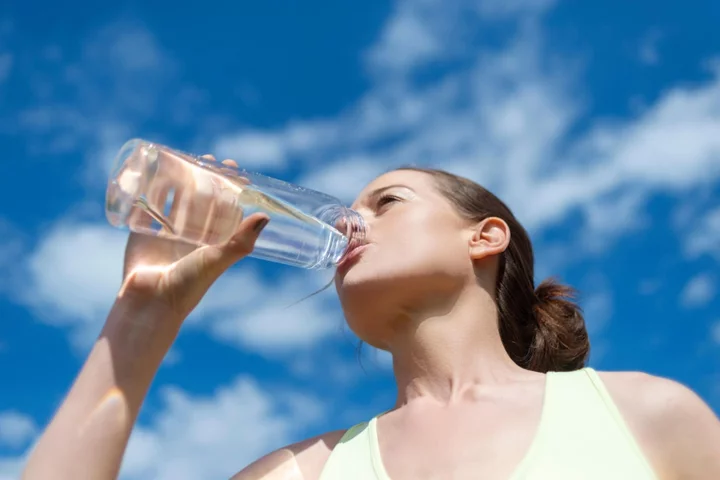
What happens if you don’t wash your water bottle often enough?
Reusable water bottles are beneficial in so many ways. Helping keep you hydrated, they also cut down on single-use plastic, and save you money every time you refill instead of buying a new bottle of water. Plus, with all the chic stainless steel flasks and glass bottles on the market – not to mention sporty carrying straps – they’ve become something of a fashion accessory. Trying to hit the NHS-recommended eight glasses of water a day for adults is an excellent idea, of course, but did you know there’s one way your refillable bottle could potentially be detrimental to your health? According to a study from waterfilterguru.com, reusable water bottles contain an average of 20.8m colony-forming units (CFUs) of bacteria, which equates to 40,000 times more than the microbes on a toilet seat. So what might be the consequences if you continuously sip and refill without washing your bottle properly between uses? We asked health experts to talk through the risks… Bottling up bacteria “A common misconception when it comes to reusable water bottle hygiene is that as you’re typically filling it with pure water and it’s only coming into contact with your own mouth, there’s little need to clean it often,” says Dr Donald Grant, senior clinician at The Independent Pharmacy. However, every time you drink from the bottle, you’re transferring bacteria from your mouth, which can then multiply in the container. “Anything that is reusable can be prone to accumulating dirt, dust or debris and, as a result, bacteria,” says private GP Dr Suhail Hussain. “This is exacerbated by the fact water bottles are the ideal environment for harbouring bacteria due to being moist.” Hard to reach crevices – for example, inside a screw top or under a flip-up straw – could also develop mould, and then there’s contamination from other sources. “When you store it in a gym bag, for instance, it can pick up bacteria from the interior of the bag or anything else stored in it, while you can also transfer bacteria from your hands to your bottle,” says Grant. “If your bottle has a valve cap, you may need to lift or twist it with your fingers, and this can transfer bacteria you may have picked up from touching other objects or surfaces.” What types of microbes are found in water bottles? “These might be simple commensals such as streptococcus and staphylococcus, which normally live in symbiosis with their host (i.e. us) but can become problematic if they accumulate, or the individual is under the weather,” Hussain says.“Bacteria such as E. coli – a common cause of urine and bowel infections – can often colonise the water bottle following repeated handling, such as taking the cap on and off.” These bacteria can potentially cause a variety of issues. “You may become sick and develop gastric illness, such as diarrhoea or vomiting,” Hussain continues. “Gram negative rods – another common bacterium found in unwashed bottles – can lead to urogenital tract infections and pneumonia.” Grant warns: “If there’s a build-up of mould inside the bottle, this can cause allergy symptoms, such as a runny nose, sneezing, or red and itchy eyes. Symptoms might be more severe for someone with asthma.” How often should you wash your reusable water bottle? “To minimise your risk of getting sick, you should ideally clean your water bottle after each use,” Grant says. “As a minimum, you should aim to wash it thoroughly at least a few times a week.” Hot water and washing up liquid are all you need to banish bacteria on the daily. “Fill the bottle with hot soapy mixture and swill around, or leave to soak in a detergent mixture,” Hussain advises. “Remember to pay special attention to lids/caps and screw top regions – use a clean brush [to scrub them].” If you’ve neglected your bottle for a few days and it needs a deeper clean, Grant suggests: “Soak your bottle overnight in a solution of half vinegar and half water. Rinse the bottle and let it dry fully before using it again.” Storage is also important to help minimise nasty microbes. “Where possible, you should keep your water bottle out of germ-rich environments such as your gym locker or sports bag,” Grant says. “You should also avoid filling your bottle with anything other than water, such as protein shakes, energy drinks, or sugar-rich liquids, as sugar can stimulate the growth of bacteria.” Hussain adds: “Don’t leave water bottle in the sun for long periods of time or siting in the cup holder in the car – the mixture of warmth and moisture is likely to make bacterial overgrowth worse.” Read More Charity boss speaks out over ‘traumatic’ encounter with royal aide Ukraine war’s heaviest fight rages in east - follow live Prince George visits Eton with parents Prince William and Kate Middleton King Charles and Queen Camilla ecstatic after getting their first Royal Ascot winner As Elon Musk calls cis ‘a slur’ – what does the term cisgender actually mean?
2023-06-23 15:18
You Might Like...

DBS Rents Hong Kong Shop for 18% Less to Target Rich Chinese
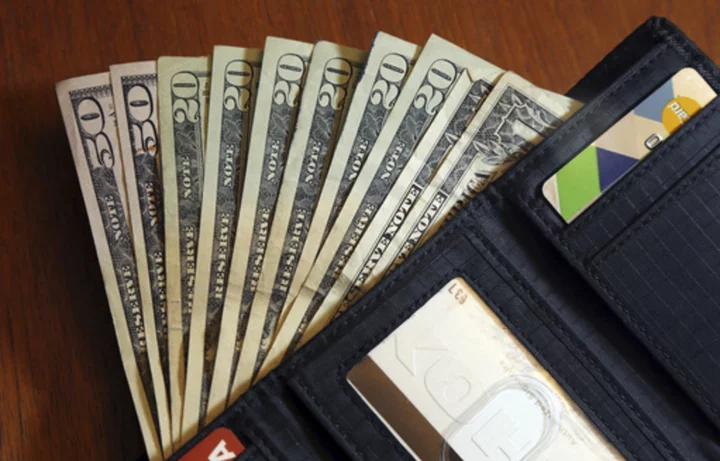
Millennial Money: Should you financially support adult kids?
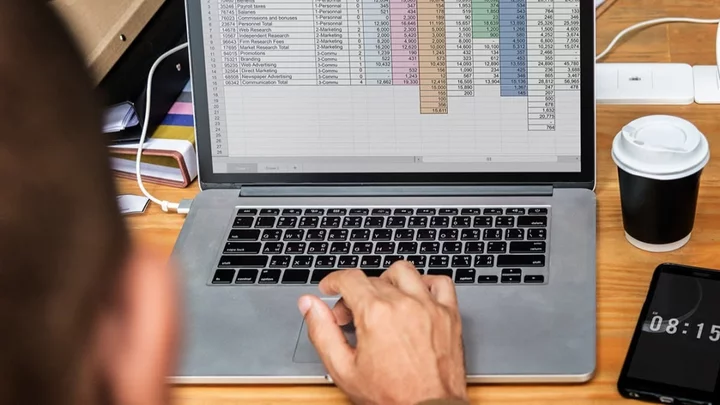
Get Lifetime Access to Microsoft Office for $30
These are the phrases working mums want to stop hearing – survey

Ukraine Grain Export Deal Extended for Two Months, Erdogan Says
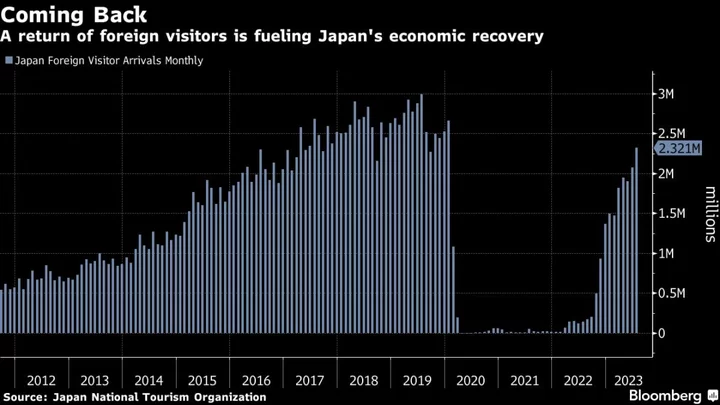
Tourist Arrivals to Japan Recover to 78% of Pre-Pandemic Levels

Gabrielle ‘Coco’ Chanel was the first superstar fashion designer, says curator of V&A exhibition
How to watch the Canadian Open 2023 online for free