
Holiday hygiene horrors: Summer health risks to avoid, from flying to hotels
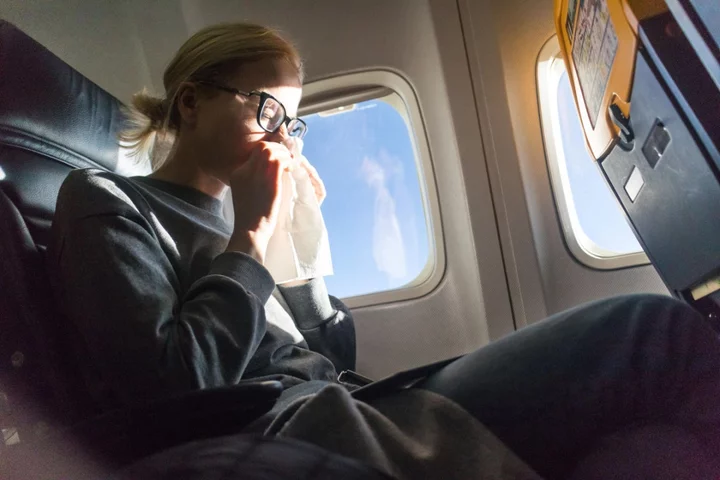
Nobody likes getting sick, and illness on holiday is even worse – who wants to waste their precious vacation days lying in bed when they could be out having fun? Unfortunately, the chances of catching a bug can be high when you’re travelling. From airports and planes crammed with passengers to hotel rooms and restaurants with questionable cleanliness (even if it’s not visible to the naked eye), no wonder so many of us end up with the lurgy abroad. Here, health experts discuss the major health risks that occur on summer holidays and how to avoid them. Airports “Airports often become crowded and therefore they present multiple hygiene risks,” suggests Dr Donald Grant from The Independent Pharmacy. “Touching surfaces, using airport bathrooms and being in close proximity to others can cause bacteria to spread, so it’s important to be hygiene-alert.” Plus, having to hand your passport, boarding pass and luggage to different staff members increases the number of touchpoints throughout your journey. Dr Angela Rai, GP from the London General Practice recommends regularly washing your hands or applying hand sanitiser as you make your way through the airport. She says: “Washing your hands or using hand sanitiser helps reduce the risk of transmission of lots of different infections, including viral infections, coughs and colds and potentially gastrointestinal infections as well.” Flying “If someone is sitting next to you [on an airplane] and they have a cold, it may well be that you might catch one,” says Dr Preethi Daniel, deputy medical director at London Doctors Clinic. “There are hundreds of viruses that cause illness and the fact that you are mixing with people from all over the world means exposure to viruses and bugs your body may not be used to already.” It’s not only airborne bugs that you have to worry about, says Grant: “Again, it’s important to wash or sanitise your hands frequently during your flight, especially before eating or drinking, after using the bathroom, or if you’ve touched your armrest, tray table or TV screen.” As an extra precaution, you might also want to wipe down your down your table and armrests with an antibacterial wipe. Hotel rooms “While all hotel rooms should be thoroughly cleaned between each guest’s stay, you can never be fully sure that your room is bacteria-free,” says Grant. “To be on the safe side, take some disinfectant wipes and give the surfaces a good wipe down when you arrive — and don’t forget the TV remote, which may have been handled by hundreds of people without being cleaned.” Be extra careful with eating and drinking utensils in your room, he adds: “You should avoid using drinking glasses or mugs provided by the hotel without cleaning them thoroughly first.” Food and drink When eating and drinking at local spots abroad, Daniel’s advice is to “check for cleanliness even in established restaurants; paying particular attention to the state of tablecloths, cutlery, glasses and whether the tables are wiped down properly”. Look out for flies on food as well, she warns: “They are often loaded with pathogens as they do not discriminate between feeding on food or faeces. “E. coli, salmonella or shigella are some of the most common causes of gastrointestinal infections on holiday. “Hepatitis A and typhoid are other infections you can contract from contaminated food or water.” Never drink tap water unless you know it’s safe, and beware of tap water being used in food and drink prep. Rai says to be careful with ice as it might have been made with tap water and “things like salads and raw vegetables that have been washed in that water”. “Stick to peelable fruit,” Daniel adds. “Bananas, mangoes and the like are perfectly fine to eat. Avoid anything that has already been peeled, chopped and is waiting in handy takeaway sizes for you.” Swimwear and towels “Unpleasant odours and growth of bacteria are some of the risks of poor hygiene when it comes to swimwear and beach towels,” says Daniel. “They trap moisture”, which could leave you vulnerable to “getting infections such as bacterial vaginosis or thrush”. Grant says: “Be mindful that your towel is likely getting dirtier on holiday than it would be at home — especially if you’re taking it to the beach or the pool. You should change or wash your towel at least every other day.” And unless you’ve got a different swimsuit for every day of the holiday, you’ll need to give it a wash. “You’re meant to wash your swimwear after every time you wear it, because you have to treat it like your underwear,” says Rai. Haven’t got access to a washing machine on holiday? Rai says: “Just gently hand wash your swimwear every time you use it with warm soapy water then hang it up to dry.” Read More Charity boss speaks out over ‘traumatic’ encounter with royal aide Ukraine war’s heaviest fight rages in east - follow live Pretty garden plants you didn’t know you could eat Group B Strep: 8 things every parent should know Princess Diana’s ‘black sheep’ jumper predicted to sell at auction for up to £70,000
2023-06-27 16:49

Save $50 on the Kindle Oasis this Prime Day
SAVE $50: The Kindle Oasis is on sale for $199.99 in the Amazon Prime Big
2023-10-11 17:17

Why some Americans cheered when Megan Rapinoe and the U.S. lost at the World Cup
Since the start of the 2023 World Cup, Samuel Schmidt felt tension rising on the
2023-08-09 09:26

Disney Projects $118 Million Opening for ‘Little Mermaid’ Remake
Walt Disney Co. estimated that the new live-action remake of its animated 1989 hit The Little Mermaid would
2023-05-29 08:55
Lazy lunch: 30-minute tomato, onion and herb tart
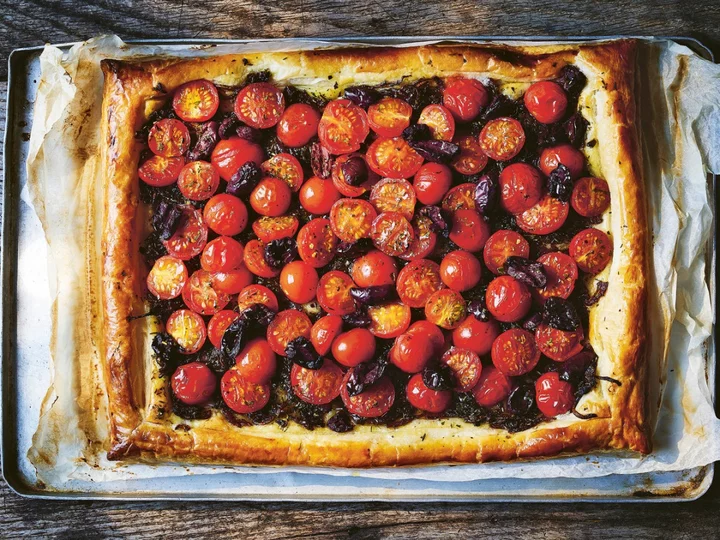
A sheet of ready-rolled puff pastry makes this a really simple lunch, and although cooking the onions needs your attention, everything else is incredibly low effort,” says Sanjay Aggarwal, author of Spice Kitchen. “Make sure you cook the pastry until it’s a deep, burnished golden-brown; too pallid and it will still be soft and floppy underneath.” Quick tomato, onion and herb tart Serves: 4 Ingredients: 1 tbsp vegetable, sunflower or rapeseed oil 3 red onions, sliced into half moons 1 tsp caster sugar Pinch of salt 1 tbsp Italian seasoning 2 tsp balsamic vinegar 1 sheet ready-rolled puff pastry 500g cherry tomatoes 150g pitted black olives 1 egg (skip the egg wash if you’re vegan, or use a splash of oat milk instead) Handful of chopped fresh parsley Zest of 1 unwaxed lemon Method: 1. Warm the vegetable oil in a frying pan and fry the onions over a moderate heat, stirring frequently so that they soften but don’t stick. After five minutes, add the sugar and salt. 2. After another five minutes, add the Italian seasoning and the vinegar and cook for a final five minutes. Set aside to cool. 3. Preheat the oven to 190C fan/210C/410F/gas mark 6½. 4. Unroll the puff pastry sheet onto a lined baking tray and create a border by using a knife to score a line a little way in from the edge (don’t slice all the way through the pastry). 5. Spread the onions over the pastry inside the border, then top with the tomatoes and olives. Beat the egg and paint it over the border. Transfer the tart to the oven and bake for 20 minutes until risen and a rich golden-brown around the edges. 6. Top with the parsley and lemon zest and serve while warm. Recipe from ‘Spice Kitchen’ by Sanjay Aggarwal (Quadrille, £22).
2023-06-21 20:18

Max Verstappen aims to ‘keep winning’ after matching Ayrton Senna’s 41 victories
Max Verstappen completed another crushing performance in Canada on Sunday to match Ayrton Senna’s tally of 41 victories – and then promised to keep the good times rolling. A day after taking pole position in the wet, Verstappen reigned supreme in the dry at Montreal’s Circuit Gilles Villeneuve to beat Fernando Alonso and Lewis Hamilton and move into joint fifth in the pantheon of Formula One winners. Even an early collision with a bird could not stop the flying Dutchman, with Red Bull team principal Christian Horner revealing that his star driver completed the majority of Sunday’s 70-lap race with part of the animal lodged in his brake duct. Verstappen will not celebrate his 26th birthday until September, but his sixth victory from the opening eight fixtures of the year leaves only Hamilton (103), Michael Schumacher (91), Sebastian Vettel (53) and Alain Prost (51) ahead of him in the record books. “When I was a little kid driving go karts, I was dreaming about being an F1 driver and I would never had imagined I would win 41 grands prix,” said Verstappen, who also notched up Red Bull’s 100th victory in the sport. “To tie with Ayrton is incredible and I am proud of that but I hope it doesn’t stop here. I hope we keep on winning more races. “It is also a great achievement for the team. We knew this was the first opportunity to win 100 races. I am happy that is done, but I hope we will win more than 100 so the new target is 200.” Remarkably, Verstappen has won 15 of the last 19 races in F1, with Red Bull failing to taste victory on just one occasion in that streak. Red Bull could yet become the first team to win every race in a single season. And with Verstappen at the wheel – rather than team-mate Sergio Perez who finished only sixth on another trying weekend for the Mexican – they have every chance. Verstappen’s triumph – his fourth in succession – was all but sealed on the short dash to the opening chicane after he fended off a slow-starting Alonso. Hamilton, who gazumped Alonso, set his sights on Verstappen’s Red Bull gearbox, but by the end of the opening lap, the seven-time world champion was eight tenths back – and when a virtual safety car was deployed on lap eight after Logan Sargeant broke down in his Williams, the gap was the best part of three seconds. With Verstappen racing off into the distance, Alonso was the filling in a Mercedes’ sandwich. But that changed on lap 12 when George Russell slammed into the wall on the exit of Turn 9. Russell’s front wing snapped in half, while his right-rear tyre dangled off his Mercedes. With debris littering the circuit, the safety car came out and the main players stopped for new tyres as Russell pulled in for repairs. After changing all four tyres, Hamilton was released into Alonso’s path. Alonso said he had to slam on the anchors to avoid running into the back of the Mercedes man, and the flashpoint was duly noted by the stewards, and latterly investigated, but the British driver would escape without punishment. The safety car came in five laps later and Verstappen executed a fine getaway to leave Hamilton trailing. Indeed, after the opening two turns, he was already one second up the road. Rather than looking ahead, Hamilton’s attention was occupied by Alonso behind. And on lap 22, the Spaniard dived past Hamilton with a fine move at the final chicane. Hamilton had a nibble back at Alonso as they raced to the opening corner, but the evergreen Spaniard held his nerve to keep the Mercedes man behind. Russell raced back from last to eighth before he was forced to park a Mercedes riddled with excessive brake wear with 15 laps remaining. Verstappen took the chequered flag 9.5 sec clear of Alonso. Charles Leclerc and Carlos Sainz finished fourth and fifth respectively for Ferrari. Alex Albon crossed the line a commendable seventh in his Williams. Read More Charity boss speaks out over ‘traumatic’ encounter with royal aide Ukraine war’s heaviest fight rages in east - follow live Max Verstappen claims pole position during rain-hit qualifying for Canadian GP Lewis Hamilton fastest as practice for Canadian Grand Prix finally gets started Max Verstappen closes in on ‘amazing achievement’ of matching Ayrton Senna
2023-06-19 06:50

Save Up to 45% on Kaspersky, Complete Security Plans For You and Your Family
Looking to add an extra layer of security to your online life while paying just
2023-06-14 22:19
Save $45 on an Amazon Fire HD tablet at Best Buy until August 5
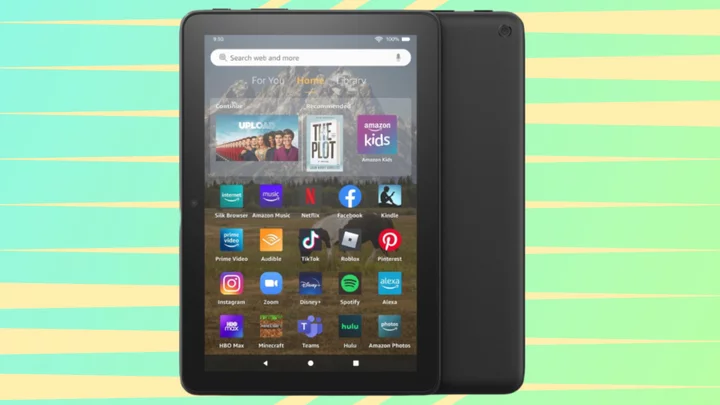
Save $45: As of August 4, the Amazon Fire Tablet HD (32GB, 8-inch) is on
2023-08-05 04:26

Final 'One Piece' trailer promises adventure and friendship on the high seas
Rubbery pirates, hidden treasure, and ferocious sea monsters... It's all there in One Piece, Netflix's
2023-08-30 21:45

Queen Latifah, Chuck D and more rap legends on 'Rapper's Delight' and their early hip-hop influences
Remember the first rap song you heard
2023-08-07 15:16
Threads is introducing rate limiting, just like Twitter
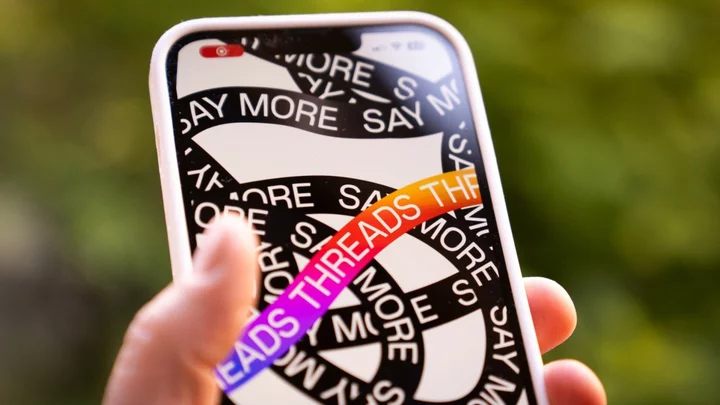
In early July, Twitter started imposing rate limiting, severely reducing the number of tweets users
2023-07-19 15:16
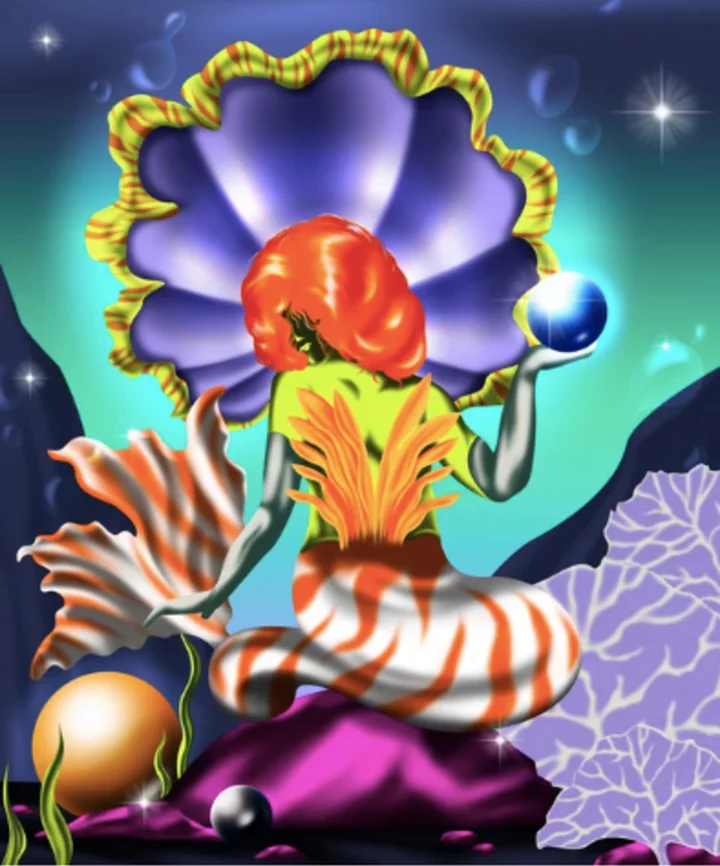
Your Horoscope This Week: August 6 To August 12, 2023
We’re starting to come down from the high of the Aquarius supermoon, and this week the Lion’s Gate Portal occurs on 8/8/2023, a powerful date in numerology. This occurs when Earth, the Orion constellation, and the fixed star Sirius all align in the sky. The number eight represents cosmic abundance and regeneration, similar to a snake shedding its skin. Stepping into a new level of awareness and consciousness is what this week is about, for all zodiac signs.
2023-08-06 19:29
You Might Like...

Russia carries out air strikes for second night on Ukraine's Odesa port -governor

The Frenchie becomes a favorite — and a dog-show contender

Tinder will soon let AI pick your dating profile photos for you

Saoirse Ronan and Paul Mescal join forces in foreboding 'Foe' trailer
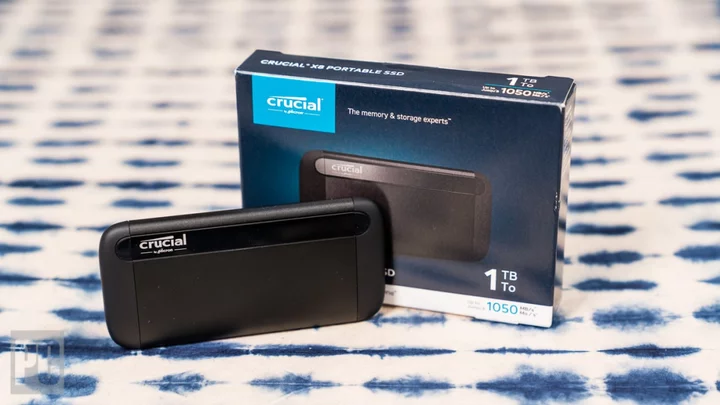
The Best External SSDs for 2023
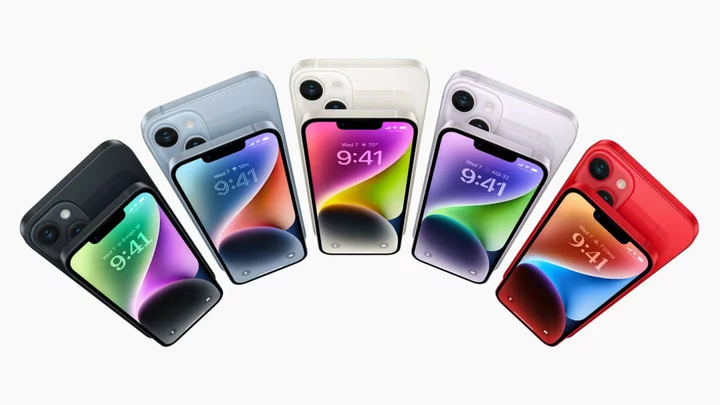
Apple's iPhone 15 might come in glorious pink color
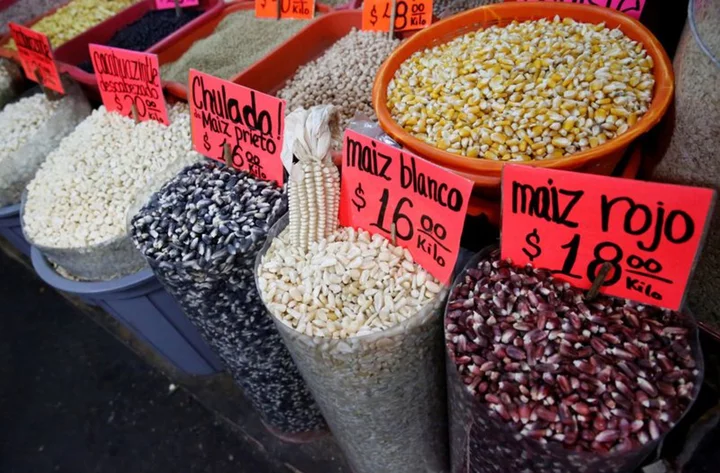
US escalates Mexico corn trade spat with dispute panel request
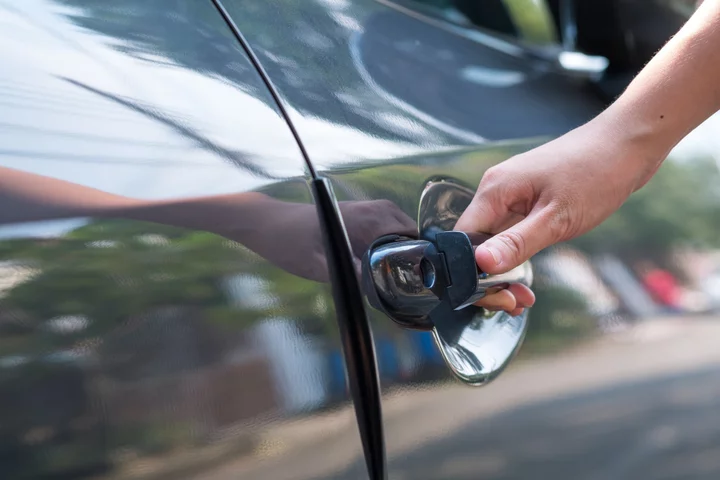
Hyundai and Kia will pay $200 million in settlement over 'Kia Challenge' car thefts