
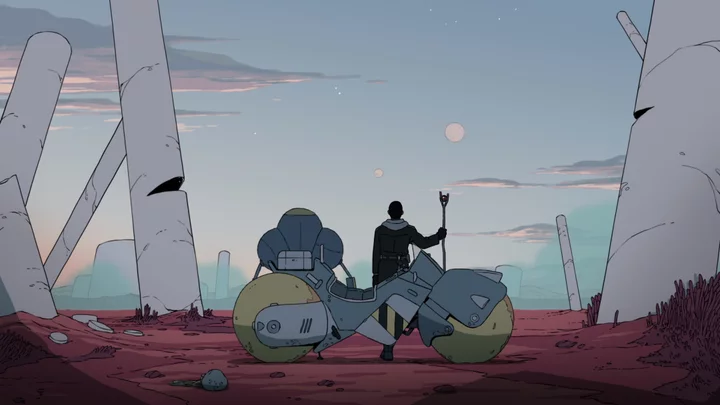
'Scavengers Reign's alien ecosystems are things of beauty
When it comes to science fiction onscreen, there are some worlds you want to get
2023-11-09 17:48

How to watch every 'Fast and Furious' movie online in anticipation of 'Fast X'
The 'Fast & Furious' franchise is gaining a new film this month. Here's how to
2023-05-16 17:59
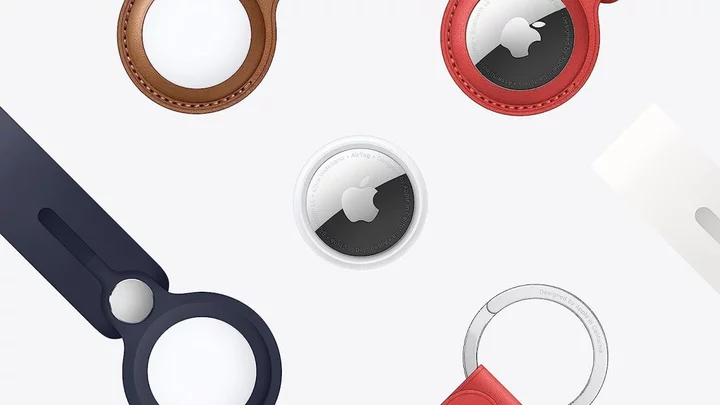
AirTags can help you keep track of your belongings while you travel — and a four-pack is nearly $15 off
Save $14.01: Grab a four-pack of Apple AirTags for just $84.99 at Amazon, down from
2023-08-01 00:19
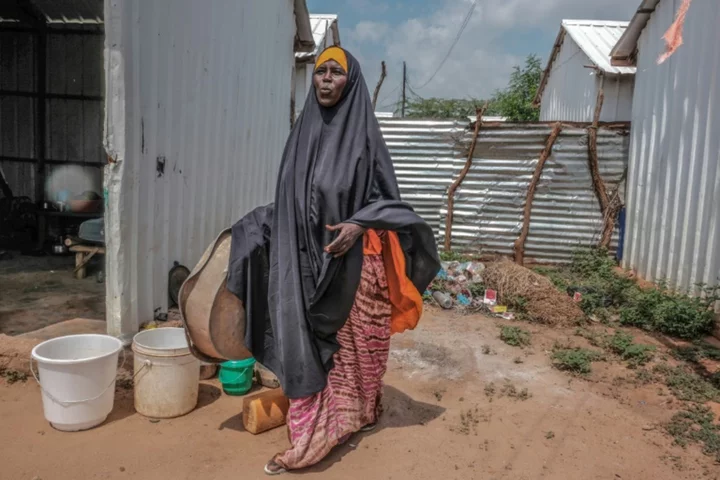
Disease stalks Somali district ravaged by floods
The floodwaters in the southwestern Somali district of Dolow may have started to recede -- for now -- but distraught families who have lost their homes, their livelihoods in the muddy deluge are now...
2023-11-27 19:58
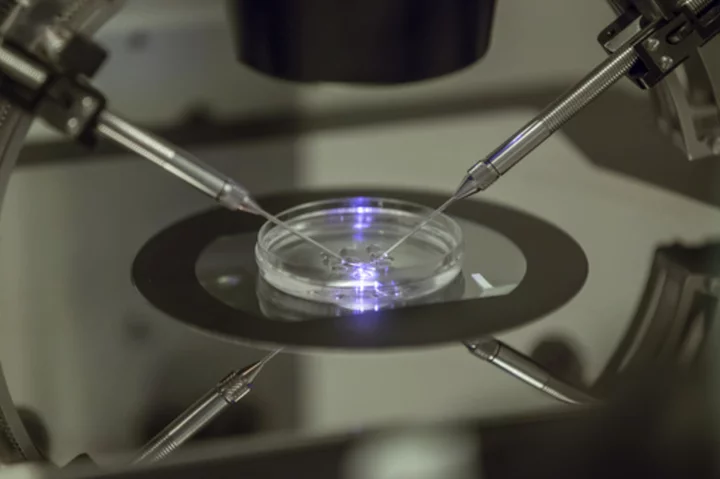
Britain: 1st babies born in country using DNA from 3 people
Britain’s fertility regulator has confirmed the births of the U.K.'s first babies created using an experimental technique combining DNA from three people
2023-05-10 19:59

The Gift Of Gear: 21 Lululemon Bestsellers We’re Wishing For This Year
When it comes to coveted, luxe pieces for both the movement- and comfort-obsessed, Lululemon is the name on everyone’s lips. From the brand’s signature ultra-soft leggings to the wear-everywhere hoodies we would gladly live in, it’s no surprise that the brand is a reader-favorite year-round — and a top destination for all things holiday gifting. And lo and behold, the activewear-packed dot-com is a one-stop shop for everyone on your list. (And yes — there are options for every budget.)
2023-10-25 03:26

4 signs you’ve eaten too much salt
Feeling the urge to glug a glass of water shortly after you’ve munched a packet of crisps, bowl of popcorn or handful of peanuts, is a clear sign your snack was on salty side – and that’s not necessarily a bad thing. “Salt is a necessary requirement to eat – and not for flavour,” says Pippa Hill, nutritionist and founder of The Weight Loss Guru. Table salt, aka sodium chloride, contains around 40% sodium, an essential nutrient. “Eaten in a small quantity, sodium helps the conduction of nerve impulses, muscle contraction and relaxation, and helps maintain the balance of water and minerals,” she continues. “A lack of salt can lead to muscle cramps, nausea, fatigue and light-headedness.” However, consuming more than the 6g a day recommended by the NHS for adults – equating to around one teaspoon – can be detrimental for your health. “A high salt intake disrupts the natural sodium balance in the body,” says Olivia Burley, registered associate nutritionist who is currently working on the NHS Diabetes Prevention Programme. This can result in high blood pressure, she explains: “Hypertension is a condition where blood pressure remains elevated over time, which can increase the risk of heart and circulatory diseases.” Unless you keep a very close eye on food labels, it’s not always obvious how much salt you’re eating in a day. “Examples of foods high in salt can be canned fish or poultry, frozen foods such as breaded meats, salted nuts, canned beans, cured meats, soup and sandwiches,” says Hill. And just because you’ve drunk enough water to quench your thirst doesn’t mean you’re negating the effects of too much salt, which is why it’s important to be aware of other health indicators. “If you are experiencing any or all these symptoms, it is always best to seek medical advice,” Burley advises. 1. Headaches The dehydration caused by excess salt intake can lead to severe headaches. “These headaches tend to be more painful than a mild one, giving a throbbing sensation as the blood vessels are being expanded,” Hill says. “They tend to come on between an hour or two after you’ve eaten, as sodium levels rise through the body.” They may come on quicker if you have high blood pressure or suffer from chronic headaches in general, but can often be solved by rehydrating. “As your water levels are imbalanced, by drinking more water you’re able to minimise and get rid of the headache.” 2. Swollen feet and hands Also known as edema, swelling of the fingers, ankles or feet can be a delayed reaction to a spike of sodium. “When too much salt is consumed, the body retains the extra sodium and increases the fluid outside of the cells, Burley explains. “This causes the kidneys to have reduced function, remove less water and therefore increase blood pressure.” Swelling may occur more when sitting down for too long or on long journeys. “This isn’t an instant response after eating, but if in the next 24 hours of having eaten salty foods you notice swelling in these areas, it could be a link,” Hill says. “It’s best to seek medical advice if this is an ongoing occurrence, as it could be a sign of a more serious health concern.” 3. High blood pressure “Salt is the largest cause of high blood pressure,” Hill warns. “Within just 30 minutes, eating excess salt will have a bodily reaction to the blood vessels.” Also called hypertension, if left untreated it can increase your risk of serious problems such as heart attacks and strokes. Hills says: “If after eating a salty diet, your symptoms include blurred vision, chest pain such as a tight feeling, palpitations, shortness of breath or sudden nosebleeds, it could mean you have a raised blood pressure.” Burley adds: “Hypertension can often have no symptoms and the only way to know your blood pressure is to get it monitored using a machine.” 4. Frequent urination “Excessive thirst is a common response to eating salty foods and naturally leads to an increase in fluid consumption, causing excessive urination,” Burley says. By sending the signal that you need to guzzle lots of liquid, the body aims to remove the excess salt build-up. “Although drinking more fluids in response to an increase in salt is one of the main reasons for urine production, it could be a symptom of other conditions like polyuria, therefore medical checks are best.” Read More Charity boss speaks out over ‘traumatic’ encounter with royal aide Ukraine war’s heaviest fight rages in east - follow live Am I just tired or is it ME? Dr Alex George: Five months of sobriety has made a ‘huge difference’ Everything you need to know about Sophie, the new Duchess of Edinburgh
2023-05-12 15:25

Vietnam Air, Boeing Agree $7.8 Billion Deal for 737 Max Jets
Vietnam Airlines JSC signed an agreement to buy Boeing Co. aircraft during a visit by US President Joe
2023-09-11 15:23
Amazon Offers Influencers $25 Per Video, Sparking Chorus of LOLs
Amazon.com Inc., looking to amp up its TikTok-like shopping feed, has called on influencers to make hundreds of
2023-08-18 03:23
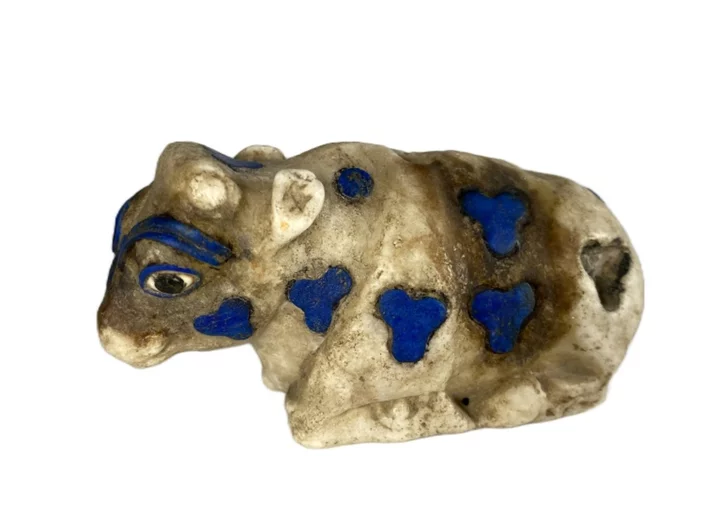
New York, a hub for illicit art trafficking
From an ancient Middle Eastern limestone elephant to seventh century Chinese sculptures, New York prosecutors have seized hundreds of priceless artefacts looted from around the globe that have earned it the reputation as...
2023-06-02 10:25

Project launched to bust myth that cancer is a ‘white person’s disease’
More must be done to get black, Asian and ethnic minority people to participate in breast cancer trials, experts have said, as they warned that people from these backgrounds have been under-represented in previous studies. Medics said that they want research into the disease to be “relevant to people we see in the clinic”. Experts said that there is a “broad misperception” that black women “don’t suffer as much from breast cancer” which can result in the perception that “cancer is a white person’s disease”. If I hadn’t gone on the trial at The Christie, I wouldn’t be here today Jasmin David This is despite the fact that previous studies have found that black women are more likely to die from breast cancer compared to their white peers. They are also more likely to develop more aggressive cancer and be diagnosed when their cancer is at a more advanced stage. It comes as the NHS Race and Health Observatory launched a new campaign alongside Macmillan Cancer Support to improve diversity in breast cancer clinical trials. The project, which is being supported by Roche, aims to raise awareness of the lack of diversity in clinical studies, improve communications and provide longer term support to patients. Specialist nurses will be provided at two major cancer hubs – Bart’s Health NHS Trust in London and The Christie NHS Foundation Trust in Manchester – to help guide patients through the process. Men, who account for 1% of breast cancer patients in the UK, are also being included. The NHS Race and Health Observatory said that there are “multiple barriers” around the recruitment, communication and retention of black, Asian and ethnic minority patients in clinical trials. It said that data show that people from an ethnic minority background are poorly under-represented in many clinical trials. And the Caribbean African Health Network said that there has been a “disengagement” in research “as a result of mistrust”. Jasmin David, a 53-year-old breast cancer patient from Fallowfield in south Manchester, took part in a clinical trial which saved her life and is encouraging others to do the same. Two years after her initial diagnosis and treatment at The Christie she was told that the cancer had come back and had spread to her lungs, lymph nodes and chest bone. The mother-of-two was told she had less than a year to live but was also offered the opportunity to take part in a clinical trial at the National Institute for Health and Care Research Manchester Clinical Research Facility. Ms David is now cancer-free. “If I hadn’t gone on the trial at The Christie, I wouldn’t be here today,” she said. “I have two children and now I get to be there for them as they grow up. “Research gave me a second chance and life and I’m relishing every second of it. “I want everyone, no matter their ethnicity, to have equal access to clinical trials, so I’m glad that this important piece of work is being done. I hope that by sharing my story I can inspire more women like me to come forward and take part in clinical trials.” Dr Habib Naqvi, chief executive of the NHS Race and Health Observatory, said: “We are pleased to announce this partnership and our joint commitment to ensuring inclusion and representation in future breast cancer trials. “We believe that when targeted, culturally sensitive interventions and communications are put in place, under-represented groups can be successfully recruited into clinical trials.” He added: “There is a broad misperception that black women don’t suffer as much from breast cancer or it does not run in their family history. This can result in the perception that cancer is a white person’s disease. “We want this pilot to encourage women at risk, those already diagnosed and individuals undergoing post treatment to come forward and share their experiences and get the information needed.” Professor Richard Simcock, chief medical officer at Macmillan Cancer Support, added: “As a Breast Cancer Oncologist I want to know that research is relevant to the people we see in clinic. Historically that has not been the case. “I’m delighted that Macmillan can support this project to ensure that future evidence from clinical trials is representative and inclusive.” Charles Kwaku-Odoi, chief executive of the Caribbean African Health Network, said: “Across the black community there is an undoubted legacy of disengagement in research and most certainly clinical trials that stems back decades as a result of mistrust. “This has not served us well because it leads to a lack of appropriate interventions that perpetuate the grave health inequalities in breast cancer care. “This partnership approach to build solutions to improve engagement in clinical trials in breast cancer treatment and care is very much welcomed. We are looking forward to working in a collaborative way to build trust, improve awareness and ensure that barriers surrounding access to clinical trials are addressed.” Read More Charity boss speaks out over ‘traumatic’ encounter with royal aide Ukraine war’s heaviest fight rages in east - follow live 10 slick ways to kit out your student digs 4 essential officecore trends to update your work wardrobe Sickle Cell Awareness Month: What is sickle cell disease and how do you know if you have it?
2023-08-31 17:25
Majority of women declined sex due to body insecurities, dating app finds
Body image issues no doubt impact our sex lives — and now dating app Pure
2023-10-12 20:25
You Might Like...

Living near green space makes you 2.5 years younger: study

Max Verstappen on verge of title as Red Bull clinch constructors’ crown in Japan
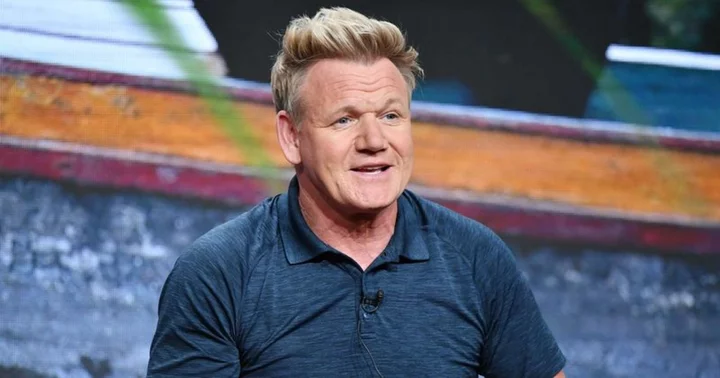
How tall is Gordon Ramsay? Fans once discussed barefoot height of Michelin-star chef

Ahead of Ohio abortion vote, a court says some ballot language is misleading, must be rewritten
Kering Said to Tap Defense Advisers as Activist Bluebell Circles

Your Fourth of July Cookout will cost you less this year, according to American Farm Bureau
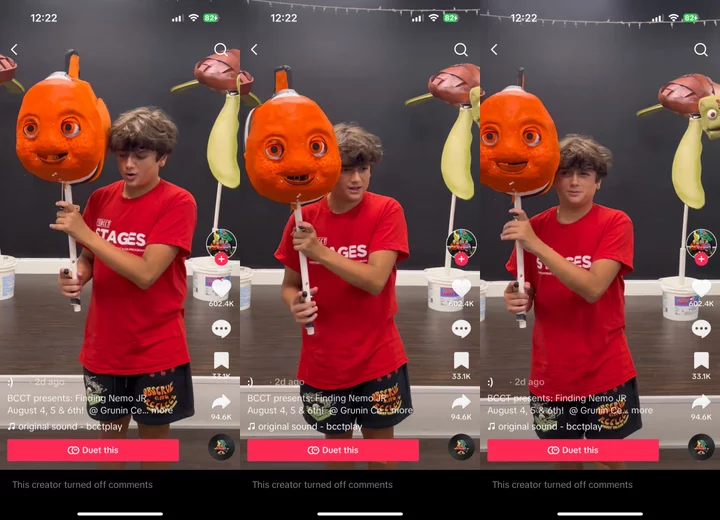
'Where is my dad' videos are taking over my FYP

NASA rover makes adventurous trip, then snaps stunning Mars picture