

A migrant rest stop in Panama after brutal crossing of the Darien Gap
Once Marcel Maldonado had finally made it across, he broke down in tears. The Venezuelan migrant, limping on a prosthetic leg, had survived the infamous trek through the Darien jungle from Colombia and, having crossed...
2023-09-24 06:27

How to watch England vs Spain in the European Under-21 Championship final
SAVE 49%: Watch the final of the European Under-21 Championships from anywhere in the world
2023-07-08 12:17

For HBCUs, the bands are about much more than the show to the Black community: 'This is family'
The famous marching bands at historically Black colleges and universities have been putting on their must-watch shows for decades
2023-09-13 00:50

Save 30% on this electric mosquito killer, now under $21
TL;DR: As of June 23, get the Electric Mosquito Killer for just $20.99 (reg. $29.99)
2023-06-23 17:48

The 11 best outdoor speakers for pool parties, picnics, and more
A backyard hangout isn’t complete without some tunes, and the best outdoor speakers make it
2023-05-25 01:55

F1 British Grand Prix LIVE: Practice updates and FP1 lap times from Silverstone
Formula 1 heads back to one of its most famous sites as Silverstone hosts the 2023 British Grand Prix this weekend. Last time out in Austria, Max Verstappen continued his dominant form with a fifth straight win this season, extending his lead in the world championship to 81 points to team-mate Sergio Perez. Lewis Hamilton endured a mixed weekend in Spielberg with Mercedes, while Ferrari’s Charles Leclerc finished on the podium. Hamilton, George Russell and Lando Norris will be eyeing strong results this weekend at their home race. Free practice 1 starts at 12:30pm; FP2 is at 4pm. Follow British Grand Prix updates with The Independent: Read More British Grand Prix: 20 years since Irish ‘lunatic’ invaded the track at Silverstone Why is Brad Pitt filming at Silverstone during the British Grand Prix? Lewis Hamilton supports ‘peaceful’ protests at British Grand Prix this weekend
2023-07-07 17:16

China's smog problem explained
A thick haze has this week smothered Beijing and surrounding areas, with tens of millions of people in northern China...
2023-11-01 18:55

Louis Theroux reacting to unpopular opinions from radio callers is peak Louis Theroux
Louis Theroux has dealt with a whole manner of strange and unpopular opinions during his
2023-11-08 18:57

How to watch Australia vs. New Zealand in the ICC Cricket World Cup for free
The 2023 Cricket World Cup continues to entertain with seemingly non-stop fixtures between the biggest
2023-10-27 12:53
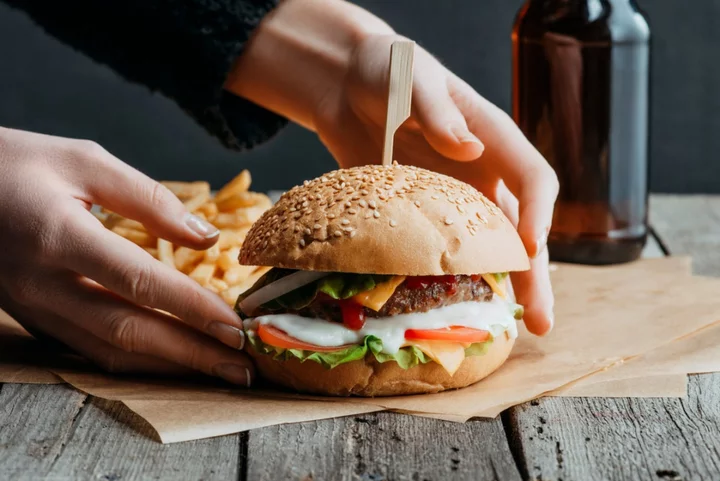
Mayo slander doesn’t make you a foodie – it makes you boring
As if to prove a point, I am sitting in front of my computer, typing with one hand and dipping chicken nuggets into mayonnaise with the other. Admittedly, it’s not even the good stuff – it’s M&S-branded mayonnaise, which is fine but certainly no substitute for a delicious Hellman’s. But to me, all mayonnaise, even not-very-good-mayonnaise, is the good stuff. This might come as a surprise. As a food writer, I’m often expected to rise above the simple condiments. The circles I run in, usually full of food lovers and taste-makers, tend to decry mayonnaise, which pains me. “God, I hate mayo,” some of them proclaim. This happened to me not long ago while getting chips at Wetherspoons, as if we were even eating at some sort of paragon of British cuisine. “Mayonnaise is boring!” they shout. “It’s got no flavour! It looks gross!” I cringe because I was about to help myself to the squeezy bottle. I’ve often felt embarrassed by my love for this apparently bland condiment. When the people around me make announcements about the awfulness of mayonnaise, I wonder if my reputation as a gastronome will be tarnished by the sizeable dollop I like to add to the side of my plate. But I’ve noticed a pattern of late, and it’s time to address it: the people who shout obnoxiously about hating mayonnaise are usually white people who are self-described “foodies”, which is perhaps one of the cringiest words of the 21st century. And I’ve had it. I think it’s self-loathing, really. The same white people who decry mayonnaise see themselves in its milky complexion and feel the need to prove that they are different – exotic, even. Maybe it’s even a way of distancing themselves from the proverbial sins of their fathers. But mayo slander won’t give you a blank slate to reinvent yourself. In fact, it’s been unfairly vilified as plain and dull for too long. It’s one of the UK’s favourite condiments – second only to ketchup – for good reason, and has far more potential than we give it credit for. How do I love thee, mayonnaise? Let me count the ways. Firstly, the way it’s made is pure magic. Eggs? Oil? White vinegar? Lemon? As they are, they don’t really make any sense. But blending them somehow creates a smooth, thick, creamy emulsion. Who on earth discovered this? There are numerous legends about how mayonnaise was first invented; some food historians say it was the French, others point to the Spanish. The sauce can be traced back to 1756, and has gone through many iterations before arriving as the eggy, almost jelly-like substance we know today. The other thing I love about mayonnaise is how versatile it is. You can mix it with just about anything – this is something Heinz does with abandon, selling varieties like Mayomust (mayo and mustard) and Mayocue (mayo and barbecue sauce). I draw the line at some of the brand’s more Frankenstein-esque creations – monstrosities such as Creme Egg mayo and hot cross bun mayo. Some things are better left alone. But mayonnaise mixed with other savoury condiments is revelatory, one of my favourites being sriracha mayo. I would highly recommend making your own mixes, as this lets you decide on a ratio that works for you and means you won’t have to stoop so low as to buy anything labelled “Mayoracha”. Mayonnaise also has far more uses than just dipping. You could mix it with ketchup to make a thousand island dressing for salad (although maybe don’t check any calorie counts if you do this… I certainly don’t). One of the best tips I’ve ever been given is to spread a thin layer of mayonnaise instead of butter over the outside of your cheese toasties before grilling them – the fat in the mayonnaise and its uber-spreadable texture will help you achieve an even browning all over the bread. It has non-food uses, too. You can use mayonnaise, for example, to marinade chicken, which yields tender, juicy meat with loads of flavour. Finally, trying different types of mayonnaise from other countries has been quite an adventure for me. Japanese mayonnaise – my utmost favourite – is tangier due to the use of rice vinegar, as well as more unctuous in texture than regular mayonnaise. I squeeze squiggles of it over scrambled eggs, freshly steamed rice, fried chicken, anything. Dutch mayonnaise is richer and more flavourful, which makes dipping chips into it feel quite luxurious. While I have yet to try Russian mayonnaise, I imagine it is just wonderful, considering Russia is the only market in Europe that sells more mayonnaise than ketchup. My love for mayonnaise knows no bounds. Well, there are some bounds; I wouldn’t choose to emulate Kingsman star Taron Egerton, who once told the Off Menu podcast he spreads mayonnaise on his pizza like butter on a slice of bread. That’s taking things a bit too far. And I won’t touch any sweet mayonnaise atrocities. But I urge anyone who’s ever uttered the words “I hate mayonnaise” to give it another chance. Especially if you’re white. Reclaim your condiment! As for me, I’m done with being embarrassed about loving mayo. In fact, I’m off to buy more. Read More Best wines to pair with Thanksgiving dinner Three easy cranberry sauce recipes to try this Thanksgiving Vegetarian and vegan alternatives to classic Thanksgiving recipes
2023-11-22 14:53

Jason Sudeikis takes on 'Hot Ones', smiles through the pain
First We Feast's "Hot Ones" is back for a new season, and the first guest
2023-05-26 17:57

This Papier Deal Is For The Stationery-Obsessed
Super Sale Alert: Get 15% off all notebooks, planners, diaries, journals, and stationery accessories at Papier using our promo code R29Papier, now through September 17.
2023-09-12 01:50
You Might Like...

Everything you need to know about 'Insidious' ahead of 'The Red Door'

Online misinformation runs rampant during coup attempt in Russia

Fears over future of Armenian culture in Nagorno-Karabakh

We Have Exclusive Early Access To Lovehoney’s Sex Toy Advent Calendars (Plus An R29-Reader Discount)

EU names Apple, Meta, Microsoft among six 'gatekeepers' facing strict DMA guidelines

The WGA has reached a new deal that could end the writer's strike

Athens Moves Forward on Transformative Coastline Development

Bethesda's 'Starfield' story trailer reveals release date and more